How to Get Around Shenzhen 2026 — Metro + Didi in 15 Min
How to get around Shenzhen: metro tap-pay in 30 seconds, Didi rides for 25 RMB, and why Google Maps is useless here. The Shenzhen metro guide foreigners need.
Direct answer
Fast answer first, then the detail and edge cases below.
TL;DR
Use Amap for navigation (not Google Maps — it's wrong here), the metro for cross-city trips, and Didi when the metro doesn't reach. That covers 95% of getting around.
- Best map app
- Amap (高德地图) has accurate metro routing and walking directions. Google Maps shows wrong routes and misplaced addresses in Shenzhen.
- Metro cost
- Fares run 2-11 RMB depending on distance. Pay with Alipay QR at the turnstile or buy a token from the machine with cash.
- Didi rides
- A typical cross-district ride costs 20-35 RMB. The app has English, links to Alipay, and shows the driver your destination in Chinese.
- Airport to city
- Metro Line 11 from the airport to Futian takes 45 minutes and costs 9 RMB. Runs 6am to 11pm.
Need to set up Alipay first before you can use the metro or Didi? Payment guide →
The one thing to know before anything else
Stop relying on Google Maps in Shenzhen. It will confidently show you metro routes that don't exist, walking paths through construction sites, and addresses that are 400 meters off.
Download Amap Global (高德地图) before you cross the border and test it on one real route. The China maps setup guide covers the English interface, Google Maps failure modes, and the screenshot backup that still works when your data does not. Then use this page for metro, Didi, buses, and airport transfers.
Everything else in this guide — metro, Didi, buses, airport transfer — assumes you have Amap and Alipay sorted. If you don't, start with the essential apps guide and the payment guide, then come back here.
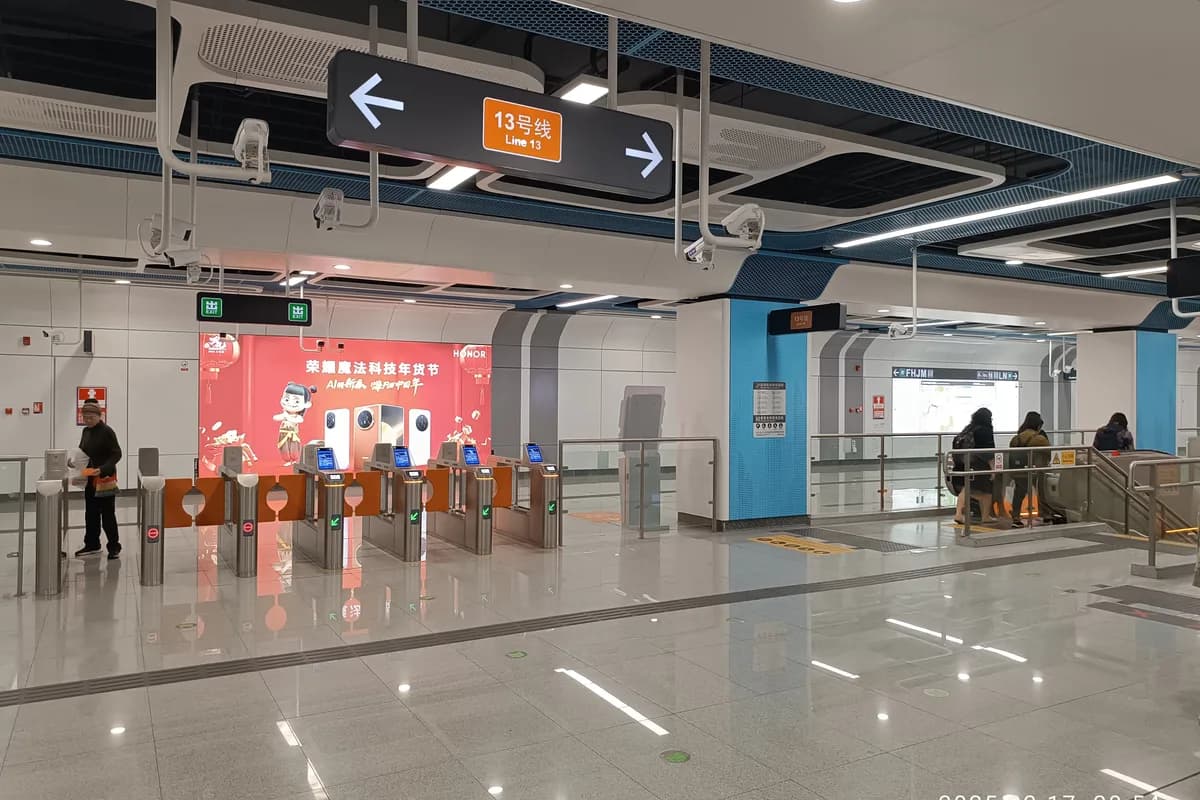
Metro (地铁) — this is how you get around
Shenzhen has 16+ metro lines. The network covers the entire city, the trains are clean, the stations have English signage, and a cross-city trip costs you 6-9 RMB. For a city this big, it's genuinely excellent.
Most first-timers are surprised by how easy the metro is to navigate here. The signage is cleaner than London's. The trains run on time. The carriages have AC. The one thing you will notice: no heating in winter, but Shenzhen winters hover around 18-22°C so it's fine — what actually gets you is the malls blasting AC in January while everyone outside is in a light jacket.
How to pay
Option 1: Alipay QR code (fastest) Open Alipay → tap the metro/bus QR code option (looks like a transit card icon) → scan at the gate turnstile. Works instantly. This is what everyone uses.
Option 2: Single-journey ticket from the machine At every station, there are ticket machines. Press the English button, tap your destination on the map, pay with Alipay or cash. You get a small plastic token — tap it on entry, insert it in the slot on exit. Good if you don't have Alipay sorted yet.
Metro hours and fares
- Operating hours: roughly 6:30am to 11:00pm (varies slightly by line and station)
- Fares: 2-11 RMB depending on distance
- Lines you'll use most: Line 1 (east-west spine), Line 4 (Futian to Longhua), Line 11 (airport to Futian)
Planning routes in Amap
Open Amap → tap the transit icon → enter your destination. It will show you metro options with exact lines, transfer stations, and journey time. The app is accurate. If it says 28 minutes, it's 28 minutes.
(A note for people coming from Hong Kong: the Futian border crossing drops you directly into Futian Port metro station on Line 4. You're already on the metro before you've had time to feel jet-lagged.)
Your metro line depends on your hotel — see where to stay in Shenzhen to pick the right district. Futian is the safest default because Lines 1, 2, 3, 4, and 11 all cross through it. Once you book, check the hotel registration guide too; the cheapest apartment can become expensive if it cannot register a foreign passport.
Didi (滴滴) — when the metro doesn't reach
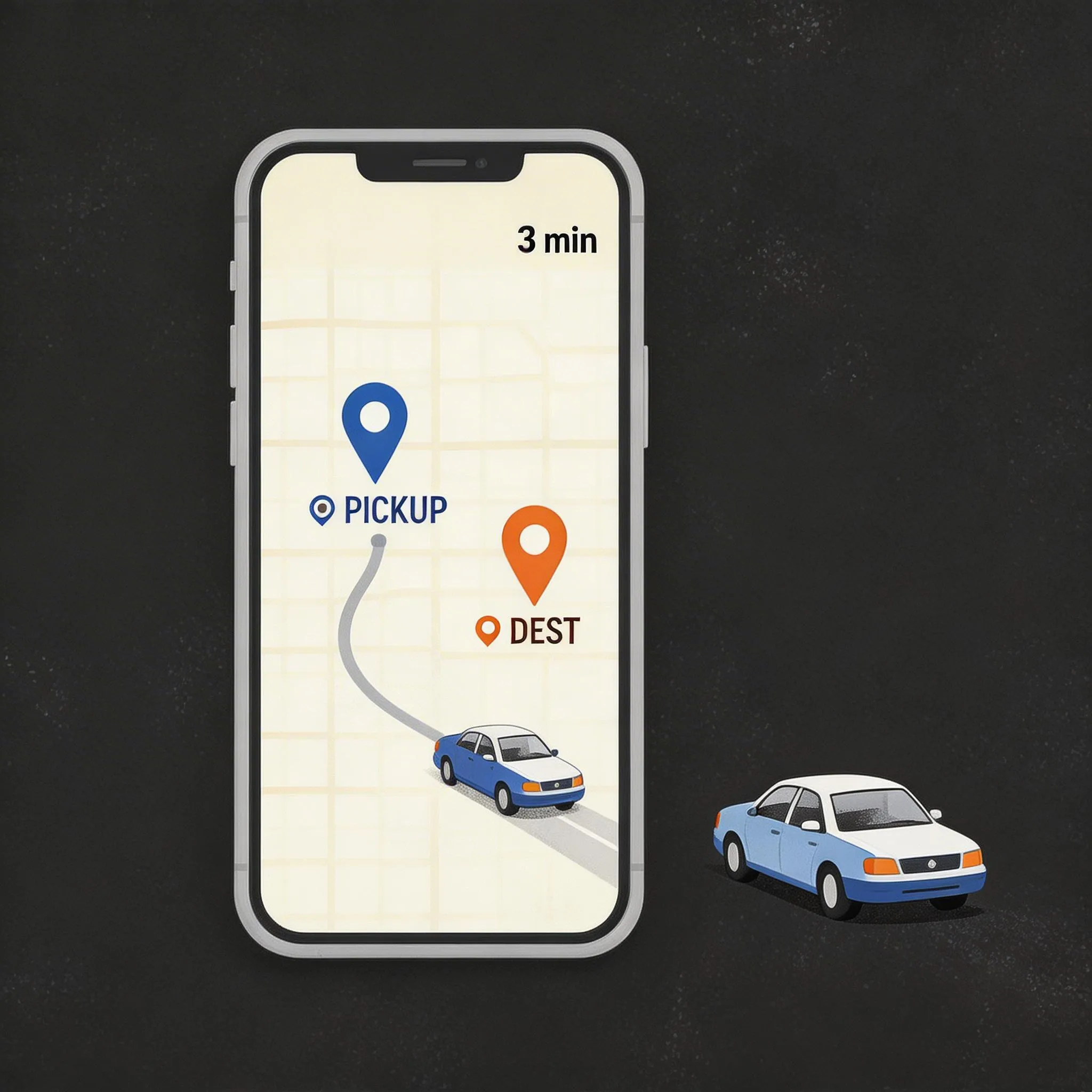
Didi is the Chinese Uber. It works. It's cheap. You don't need to speak Chinese to use it.
A typical ride within the city — Futian to Nanshan, say, or Luohu to OCT — costs 20-35 RMB. Cross-district rides rarely go above 60 RMB unless you're going somewhere genuinely far. Compare that to a Hong Kong taxi for reference and you'll feel immediately better about life.
Setting up Didi
Download the Didi International app (not the mainland Didi app — the interface is in English and accepts foreign cards via Alipay). Register with your foreign phone number. Link Alipay for payment.
The first few rides sometimes ask for SMS verification. This is normal. Use your home number.
Using Didi in practice
- Open Didi → set your destination by searching in English or using the map
- Choose Express (快车) — this is the standard option, regular cars, cheapest
- Choose Premier (专车) if you want newer cars (20-30% more expensive, usually worth it for long trips)
- Confirm the pickup point — drag the pin if it placed you in the wrong spot
- Wait for a driver to accept (2-5 minutes normally, 5-10 during rush hour)
The driver sees your destination in Chinese automatically. You don't need to say anything. The driver will call you if they can't find you — if that happens, show them the app screen with your location pin.
One thing that helps: have your hotel address saved in Amap in Chinese characters. If you ever get a taxi the old-fashioned way (just flagging one down), you can screenshot the address and show it to the driver.
Rush hour reality
Friday evenings and weekday mornings between 8-9am, driver pickup time gets longer. Not dramatically so — Shenzhen has a lot of Didi drivers — but if you need to be somewhere at a specific time, add 15 minutes of buffer and request the car before you need it.
Buses — skip them for a short visit
Shenzhen's bus network is extensive and locals use it constantly. For you, as a foreign visitor who doesn't read Chinese, it's not worth the friction.
The route numbers mean nothing without knowing the area. Stop announcements are in Cantonese and Mandarin. Figuring out which bus gets you where requires either a lot of time in Amap (it does have bus routing) or a local showing you.
If you're here for a week or less: metro plus Didi, done. If you're here for a month and want to figure the buses out, Amap has full routing and you pay with an Alipay scan at the door (2 RMB flat fare on most routes). That's as far as I'll take it.
The one visitor exception is the Dapeng coast. Bus E11 gets you from Shenzhen North or Yinhu to Dapeng town, where you switch to a local bus or Didi. Check Amap for the live stop and departure time. Then read the Shenzhen beaches guide before you leave — the beaches split across different branches of the peninsula, and choosing the wrong pair wastes more time than the bus does.
Taxis — mostly been replaced by Didi
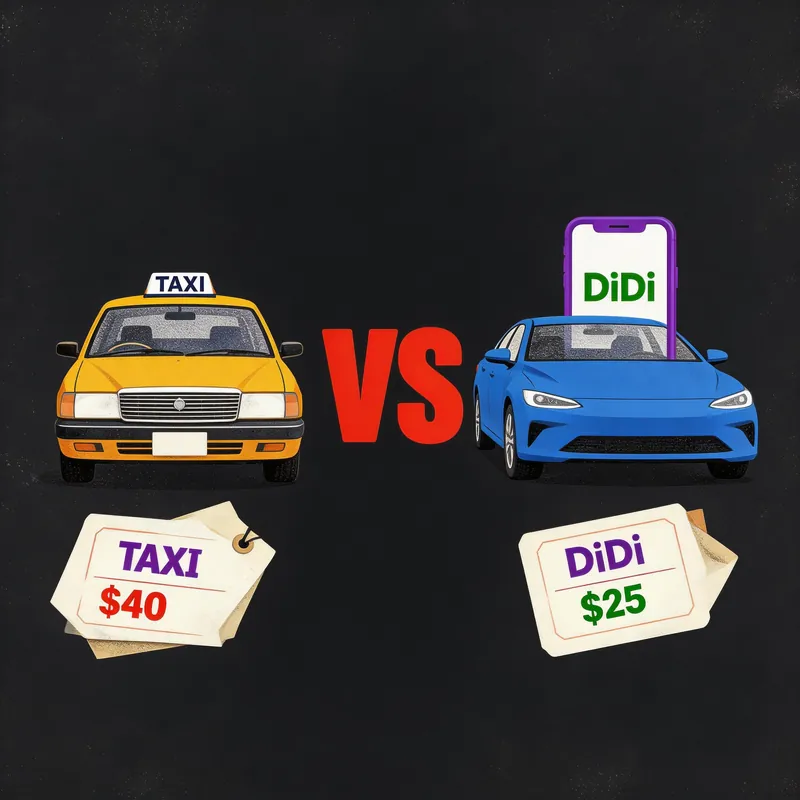
You'll still see the red and green taxis around. They're metered, drivers are generally honest in Shenzhen, and they'll take you where you want to go. The problem is that fewer and fewer drivers bother stopping for flagged fares when they have the Didi app on their phone instead.
Red taxis cover the main urban districts. Green taxis operate in suburban areas and to the airport.
In practice: use Didi unless you're standing right outside a hotel where taxis are queuing. Almost no one flags taxis anymore.
Walking and biking — know the limits
Shenzhen is not a walking city. This is not a criticism — it's just the architecture. Blocks are long, sidewalks disappear under overpasses, and traffic at major intersections is aggressive even when you have the green light.
That said, specific neighborhoods are genuinely pleasant on foot:
- Shekou (around Sea World and the waterfront) — walkable, human-scale, decent for wandering
- Shenzhen Bay Park boardwalk — 4km of seafront path, the one place where a long walk makes obvious sense
- OCT-LOFT (Overseas Chinese Town) — galleries and cafes in a converted factory district, compact enough to walk
- Futian CBD at night — the light show streets around Civic Centre are worth a walk if you're already in the area
Bike sharing exists via Hellobike (哈啰单车) and Meituan bikes scattered around the city. The catch: most bike-share apps require a Chinese phone number and local verification to use. If you have a Chinese SIM or a local contact who can help you set it up, the bikes are cheap (around 1.5-2 RMB per 30 minutes) and useful for the last mile from metro stations. Without that setup, treat bike share as inaccessible and use Didi for the gaps.
Navigation: set up Amap before you plan transport
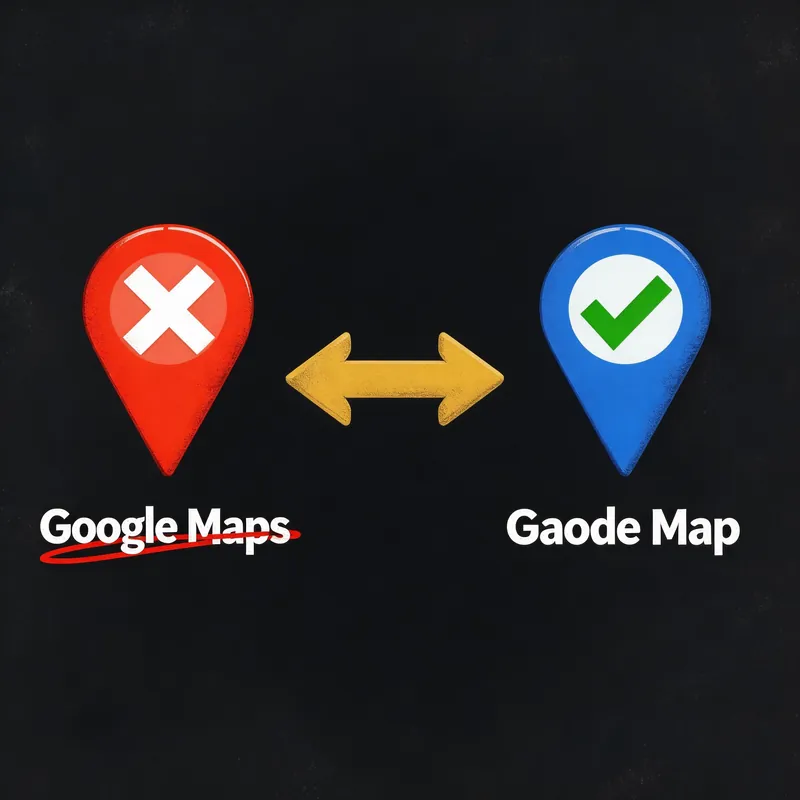
Use Amap Global to plan the metro, walking leg, and final entrance. Keep your hotel address and nearest metro exit in Chinese outside the app.
The exact Google Maps, Apple Maps, Amap, and Baidu decision now lives in the China maps guide. Read that once before your trip; come back here when the question is whether to take Line 11 or a Didi.
Getting from Shenzhen Airport (SZX) to the city

Bao'an International Airport (SZX) is in Baoan district, west of the city center. Getting into Futian or Luohu takes 40-60 minutes depending on what you use.
Metro Line 11 (cheapest, recommended)
Line 11 connects the airport directly to Futian station. 45 minutes, 9 RMB. The line runs frequently and the journey is straightforward — you don't need to change trains. Follow the blue Line 11 signs inside the airport arrivals hall to the metro station.
Line 11 also stops at Shenzhen North (high-speed rail connections) and several major interchange stations along the way.
Operating hours from the airport: roughly 6:00am to 11:00pm.
Didi from the airport
80-150 RMB depending on destination. Pickup is from the designated rideshare area on the arrivals level — follow the signs or ask airport staff. Journey time to city center is 40-60 minutes outside rush hour, longer during peak times.
Didi from the airport is the right call if you have a lot of luggage, you're arriving late at night when the metro is closed, or you're going directly to somewhere the metro doesn't serve well (like Shekou).
Airport bus
Airport buses exist and are cheap. Skip them. They're slow, stop multiple times, the routes are confusing, and the time difference versus metro or Didi isn't worth it for a first arrival when you're already tired.
Quick reference
| Method | Best for | Cost | Needs |
|---|---|---|---|
| Metro | Cross-city trips, tourist areas | 2-11 RMB | Alipay or cash |
| Didi | Anywhere metro doesn't reach | 15-60 RMB | Alipay |
| Taxi | Hotel queues | Metered (~similar to Didi) | Cash or Alipay |
| Bus | Long-stay residents | 2 RMB flat | Alipay or exact change |
| Line 11 | Airport to city | 9 RMB | Alipay or cash |
What to do next
Getting around is mostly sorted once Alipay and Amap are on your phone. The next things to lock down before you arrive:
- How to pay in Shenzhen — set up Alipay first, the metro and Didi both run through it
- Essential apps — Amap, Didi, and the rest of the install list
- Hong Kong to Shenzhen border crossing — if you're arriving from HK, which crossing to use and what to expect
- Arrival checklist — the full sequence from before departure to first day in the city
Frequently Asked Questions
Can I use the metro without Alipay? Yes. Buy single-journey tickets at the machines in each station with cash. Machines have an English option. You get a plastic token — tap to enter, insert on exit.
Is the metro in English? The signage is bilingual throughout — English and Chinese on every platform, every sign, every interchange. Announcements are in Mandarin and English. You can navigate the whole system without knowing any Chinese.
How late does the metro run? Last trains are around 11:00pm to 11:30pm depending on the line and station. Check Amap for the exact last train from your specific station if you're planning a late night. After midnight: Didi only.
What's the difference between Didi Express and Didi Premier? Express (快车) is standard — normal cars, lowest price. Premier (专车) is newer cars with better rated drivers, roughly 20-30% more. For airport trips with luggage or longer journeys, Premier is worth it.
Can I rent a car in Shenzhen? Technically yes, but foreigners need a Chinese driving license to rent and drive in mainland China. Your home license doesn't count. Don't bother — Didi is cheaper and less stressful than driving in Shenzhen.
Does Didi work from Hong Kong? The mainland Didi app only works in mainland China. You cannot use it to book a Shenzhen car from Hong Kong before you cross. Open the app once you're through immigration and connected to a mainland data connection.
Change Log & Review CadenceExpand
Facts reviewed
Apr 10, 2026
Content updated
Jul 26, 2026
First published
Mar 18, 2026
Next review target
Jul 9, 2026