
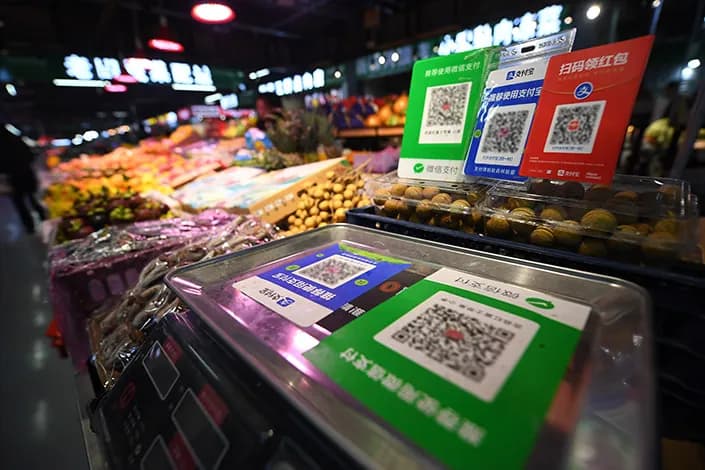
By Stometa · Edited by Kelly · Last verified · 9 min read
Direct answer
How to pay in China: set up Alipay with your foreign card before you arrive. WeChat Pay is a useful backup but fussier for foreigners, and you should still carry RMB 300-500 in cash.
- Best default: Alipay for foreigners is the easiest setup and works with Visa, Mastercard and Amex, linked before you arrive.
- Transaction fee: Foreign-card payments are fee-free up to RMB 200 per transaction. Above that, Alipay adds a 3 percent service fee to that transaction.
- Cash backup: Carry RMB 300-500 for taxis, stalls, or the moments when QR payments and foreign cards fail.
- Fallback plan: If a card is declined, check the transaction history, ask your bank whether it blocked the payment, then try a second card or an ATM.
Some links in this guide earn us a commission if you buy. See our affiliate policy.
Here's how to pay in China without the register stand-off: Alipay linked to your own card, WeChat Pay as a backup, and a few hundred yuan in your pocket. Sort all three before you cross the border and the payment side of Shenzhen stops being a problem.
Standing at a register and Alipay won't scan? Use the Alipay scan fix checker first. If the setup itself is broken, open the Alipay troubleshooting guide.
How do you pay in Shenzhen as a tourist?
You scan a QR code. The street food stall, the taxi, the corner shop — almost everyone in Shenzhen takes WeChat Pay or Alipay QR codes, and at some point a vendor will stare blankly at your credit card. If you already use Alipay at home, the scanning part will feel familiar. What changes in China is the setup: a foreign card, a passport check, and a fee once a single payment goes over ¥200.
The short version:
- Alipay = easiest for foreigners, set this up first
- WeChat Pay = works, but harder to set up
- Cash = backup only, carry ¥300–500
- Foreign cards = mostly don't work at shop counters
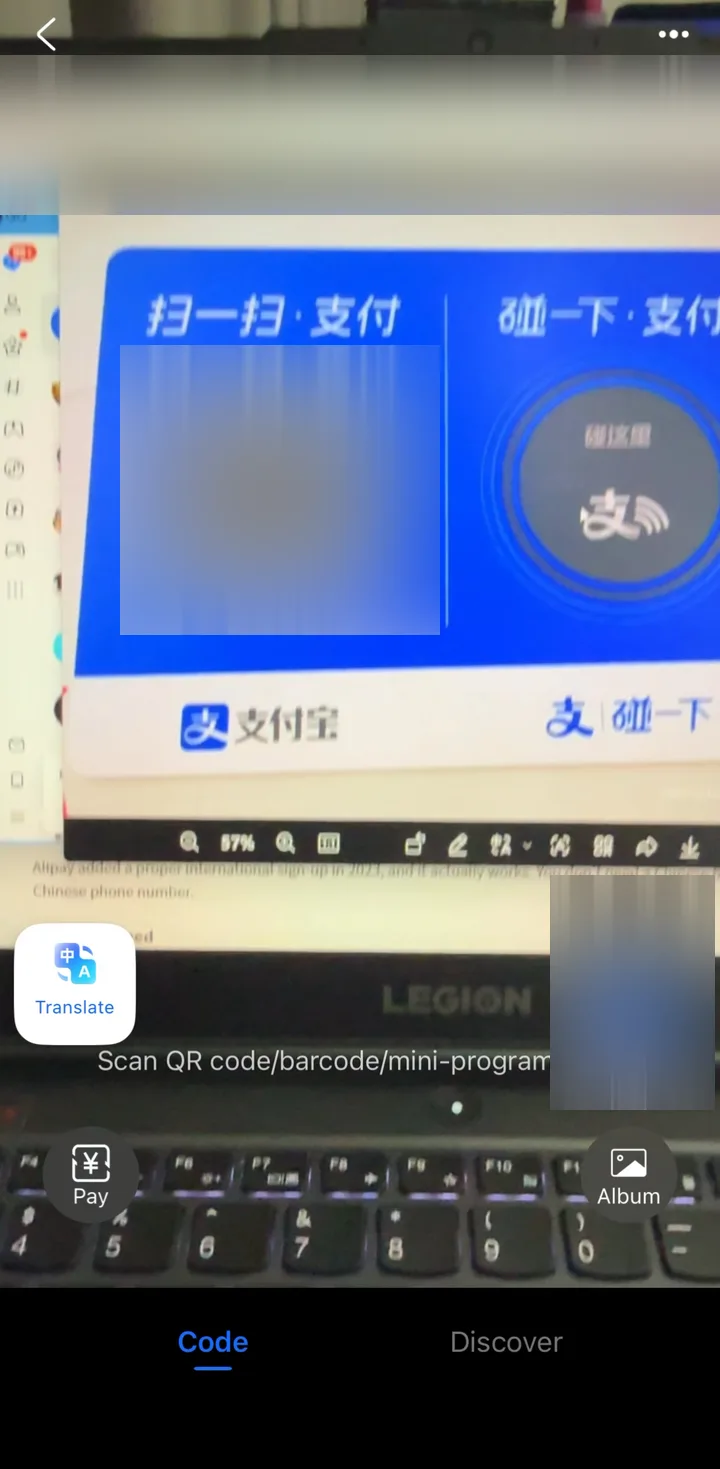
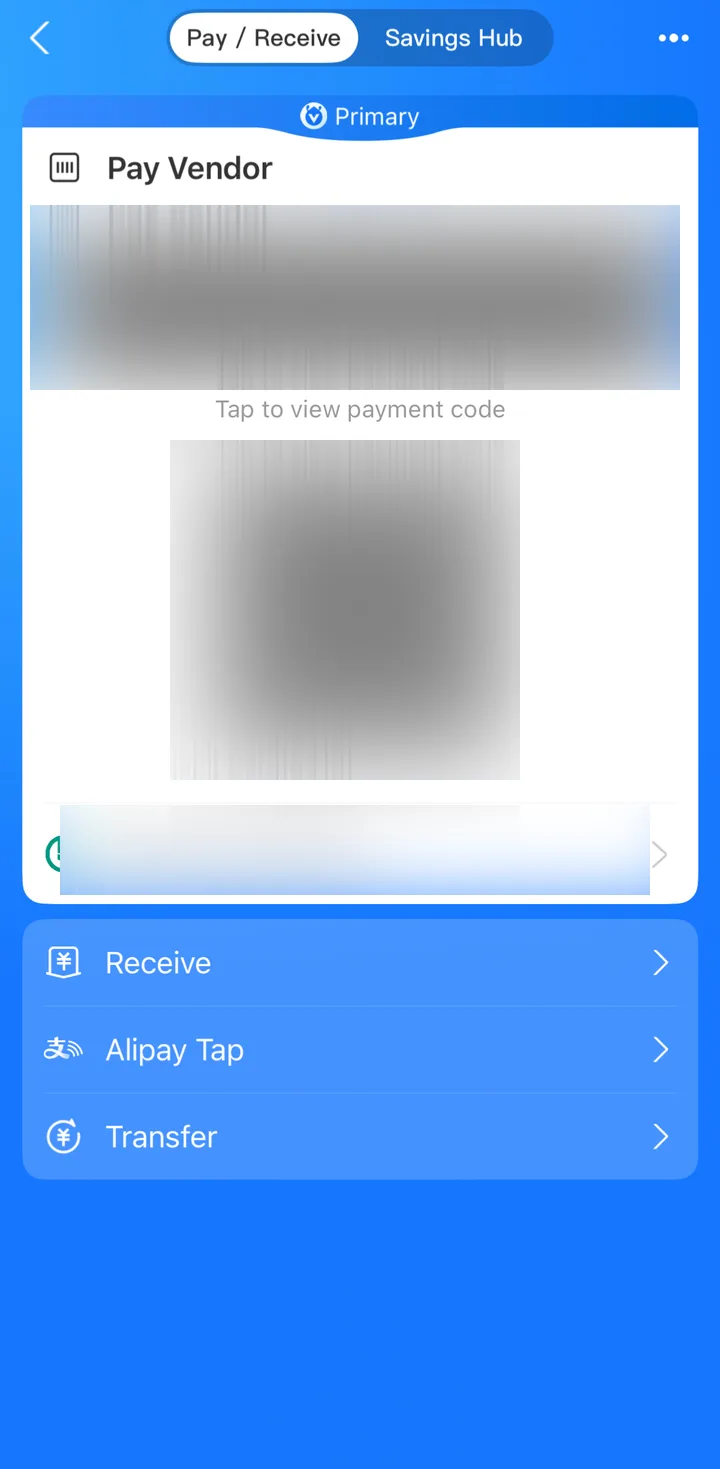
Do the setup while you still have normal internet — both apps install and link cards fine outside China. Once you cross the border, you'll want a data connection and possibly a VPN for China to reach Google, WhatsApp and the other blocked services. (Some eSIMs get around the firewall on their own — check the eSIM guide.) Paying for the metro and Didi is covered in getting around Shenzhen.
For the data part, Nomad eSIM is my default: in my Shenzhen test Google and ChatGPT worked on it without a VPN. It is data-only, so it gives you no +86 number. Install it at home and switch it on after you land.
Nomad eSIM
Data for Alipay and WeChat Pay from the moment you land: Google and ChatGPT worked in Shenzhen without a VPN.
From $4 / 1GB
See China eSIM plans on Nomad eSIMHow to set up Alipay as a foreigner
Alipay added a proper international sign-up in 2023, and it actually works. You don't need a Chinese bank account or a Chinese phone number.
What You Need
- A non-Chinese phone number
- A Visa, Mastercard or Amex (some banks block China transactions — check with yours first)
- The Alipay app (download before you arrive — App Store or Google Play)
Setup Steps
Step 1: Download Alipay Get it from your home country before you arrive. Search "Alipay" in the App Store or Google Play.
Step 2: Sign up with your foreign phone number Open Alipay → tap "Sign Up" → enter your non-Chinese mobile number → verify by SMS.
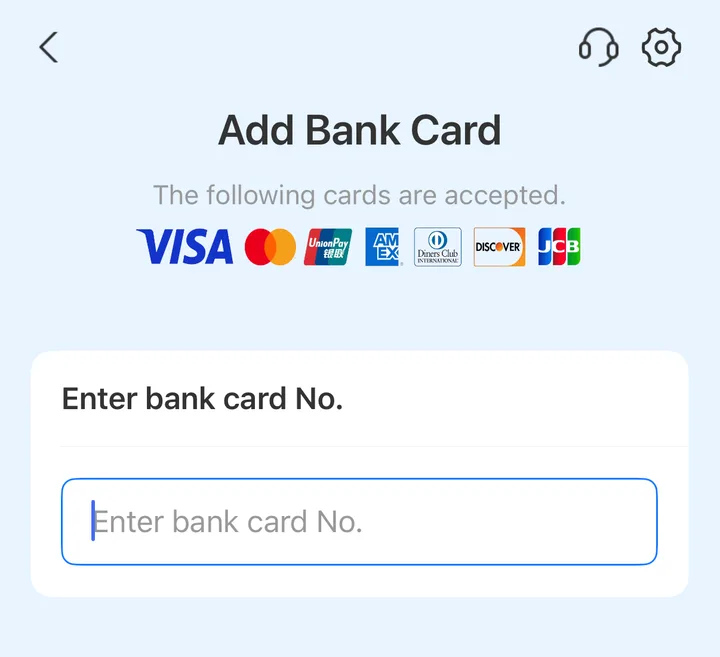
Step 3: Add your card Go to Me → Bank Cards → Add Card → enter your Visa, Mastercard, Amex, JCB or Discover details. The app asks you to set a 6-digit payment PIN first.
Step 4: Complete identity verification Enter your passport number, and you may need to do a face scan. Chinese financial rules require it. The app says allow 72 hours; it's usually done within an hour.
Step 5: Check the payment method before you confirm This is how you use Alipay in China day to day: pick your linked card and read the charges the app shows before you confirm. A prepaid balance is a separate product — check its current terms if you decide to use one.
Alipay transaction fees and limits for foreign cards
| Transaction | Limit / service charge |
|---|---|
| Single transaction ≤ ¥200 | Free (no fee) |
| Single transaction > ¥200 | 3% service fee on that transaction |
| Single transaction cap | Up to US$5,000 after real-name verification |
| Annual cap | Up to US$50,000 after real-name verification |
The ¥200 line is per transaction, not per day. A ¥68 lunch and a ¥120 coffee run both stay fee-free; one ¥260 dinner usually picks up the 3% service fee. For bigger purchases, ask the merchant to split the payment only if it isn't awkward, or withdraw RMB from an ATM.
How to use WeChat Pay in China with a foreign card
WeChat Pay works, but it's harder to set up as a foreigner. Only bother if you already use WeChat a lot.
What You Need
- A WeChat account (not WeChat Work)
- A supported foreign card (Visa, Mastercard)
- Your passport
Setup Steps
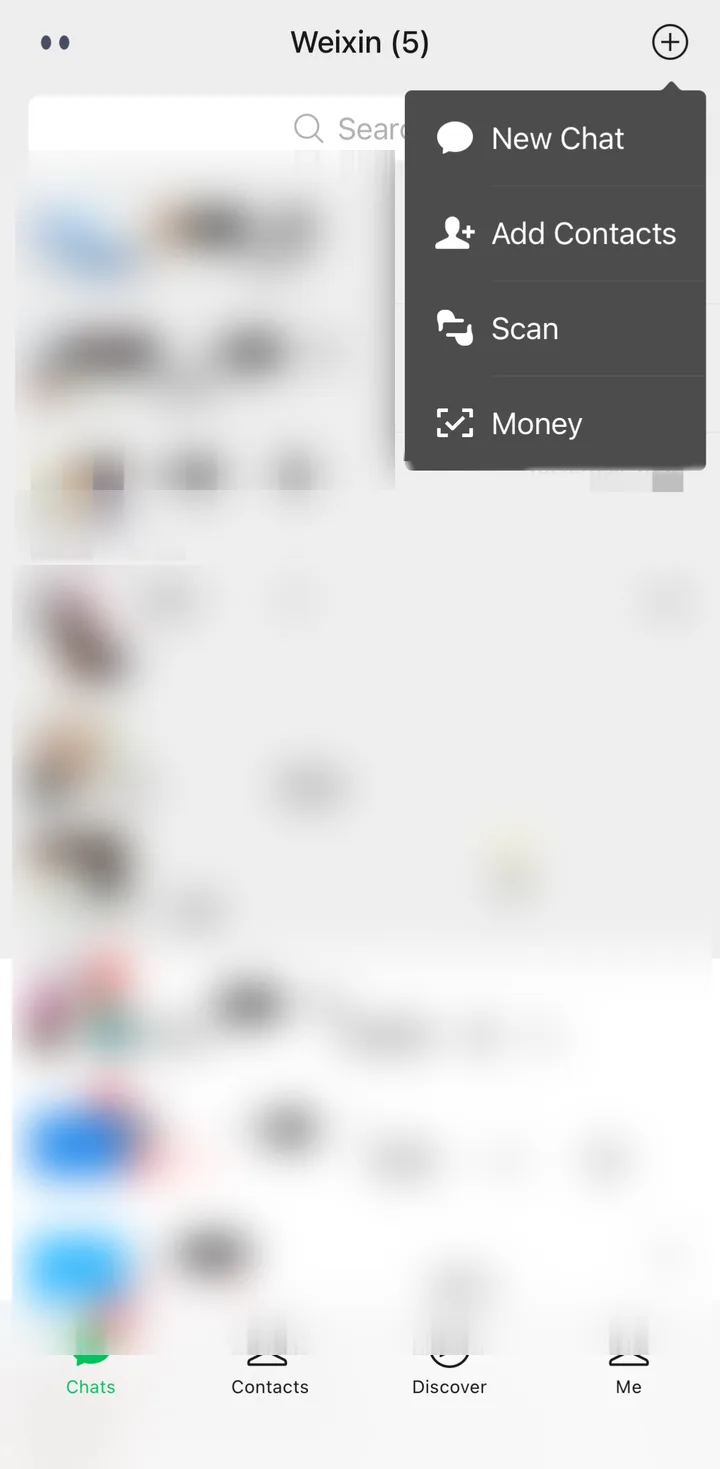
Step 1: Open WeChat → "Me" → "Services" → "Wallet" → "Cards"
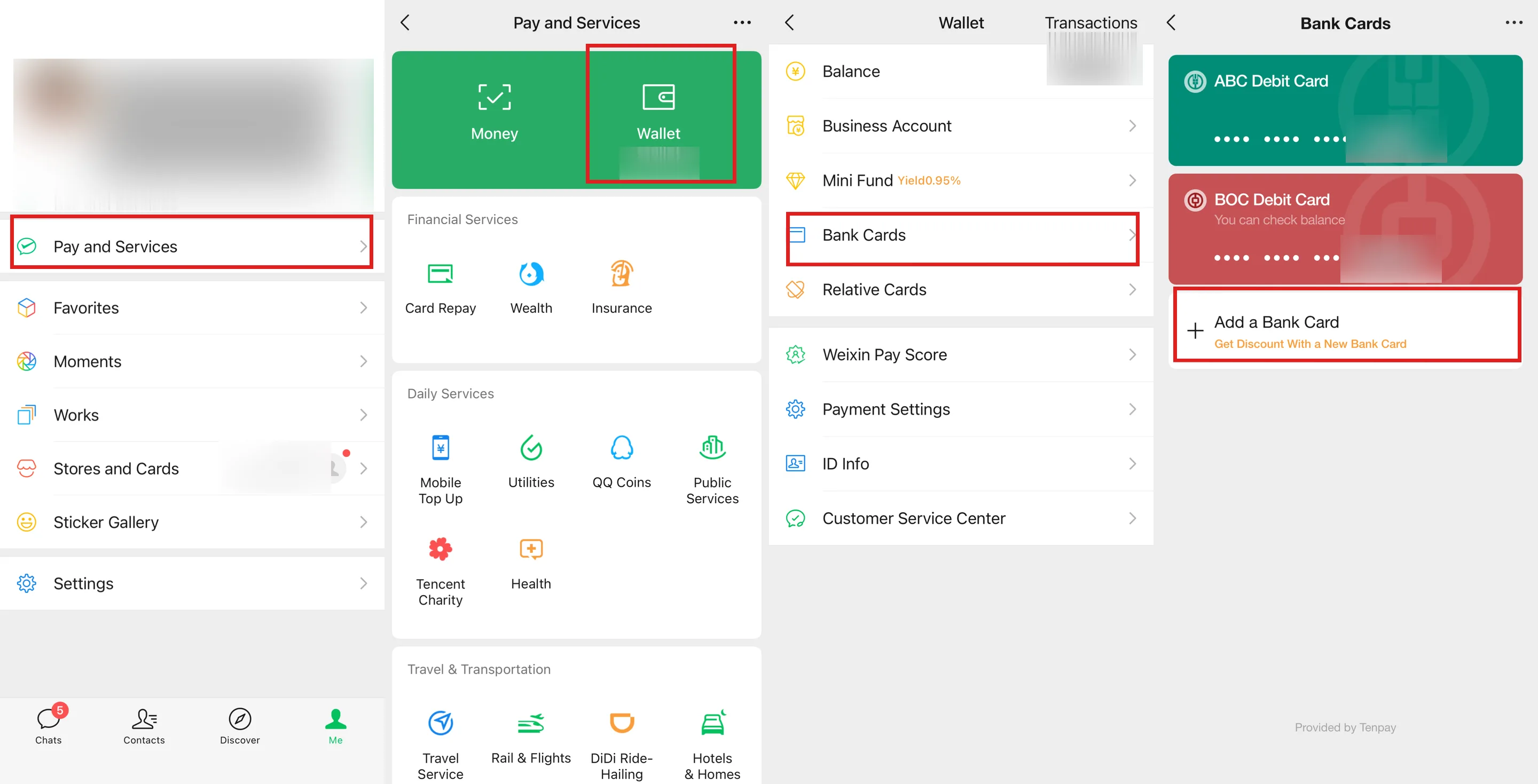
Step 2: Add your card — same process as a Chinese user, plus extra identity verification.
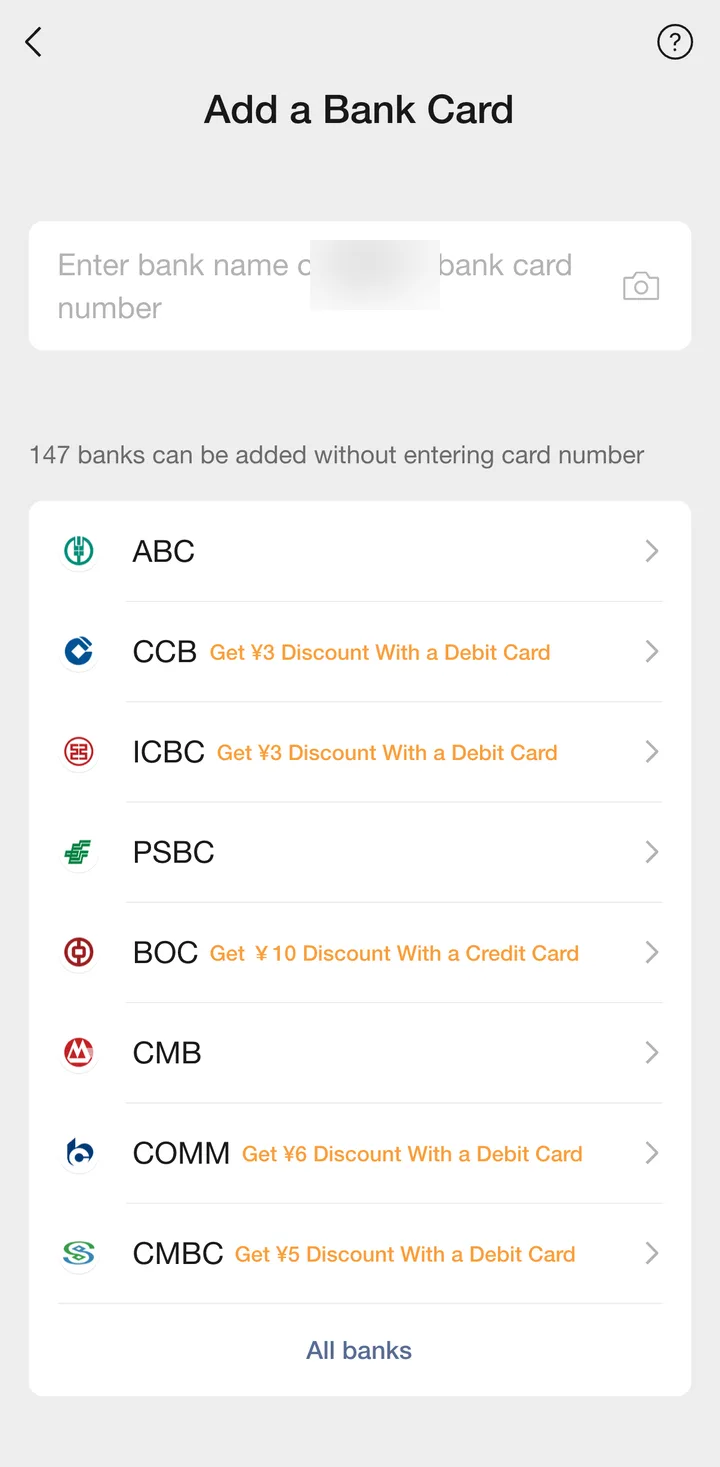
Step 3: Set a payment PIN
WeChat Pay Fee Update (June 2025)
WeChat Pay also waives the 3% fee on international-card transactions of ¥200 or less. Since June 2025, first-time international-card users have had a 60-day promo on daily transactions under ¥1,000 — but check the app before relying on it. Promos are exactly where payment apps get weird.
Why WeChat Pay Is Harder to Set Up
- Foreign phone numbers sometimes get stuck in the SMS verification loop
- Card linking fails more often than on Alipay
- Support is mostly in Chinese
- Some vendors' QR codes only work with WeChat Pay linked to a Chinese bank account, so the foreign-card version won't work at every merchant
Alipay vs WeChat Pay: which one first?
Alipay. Set it up first, then add WeChat Pay if you have time. (You can pay in China without WeChat at all — Alipay plus cash covers it.) WeChat Pay gets much better once you have a Chinese phone number — it unlocks the full wallet, not just the tourist card.
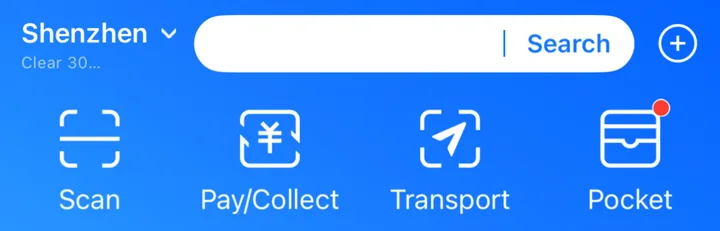
Can you pay cash in China? Yes — carry some RMB
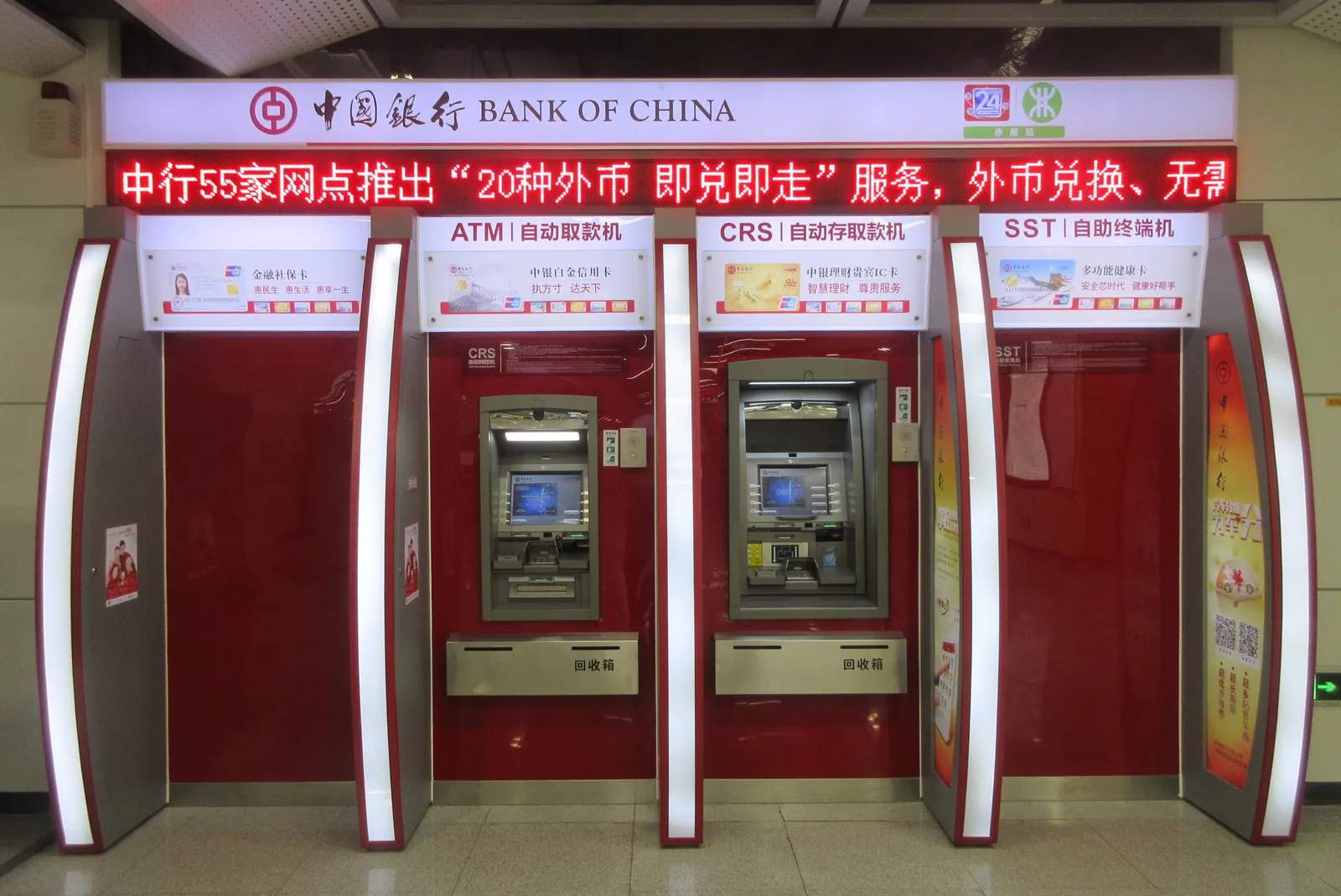
Cash works everywhere, with friction:
- Many vendors can't make change
- Street food is often QR-only now
- ATMs that take foreign cards aren't on every corner
Where to Get RMB
| Option | Where | Notes |
|---|---|---|
| Airport ATM | Shenzhen Bao'an or HK airport | Best rates, bring your card |
| Bank ATM | ICBC, Bank of China branches | Look for the "UnionPay / VISA" sticker |
| Hotel front desk | Your hotel | Usually a worse rate, but convenient |
| HK → Shenzhen | Any HK bank or money changer | Change money before you cross if you haven't |
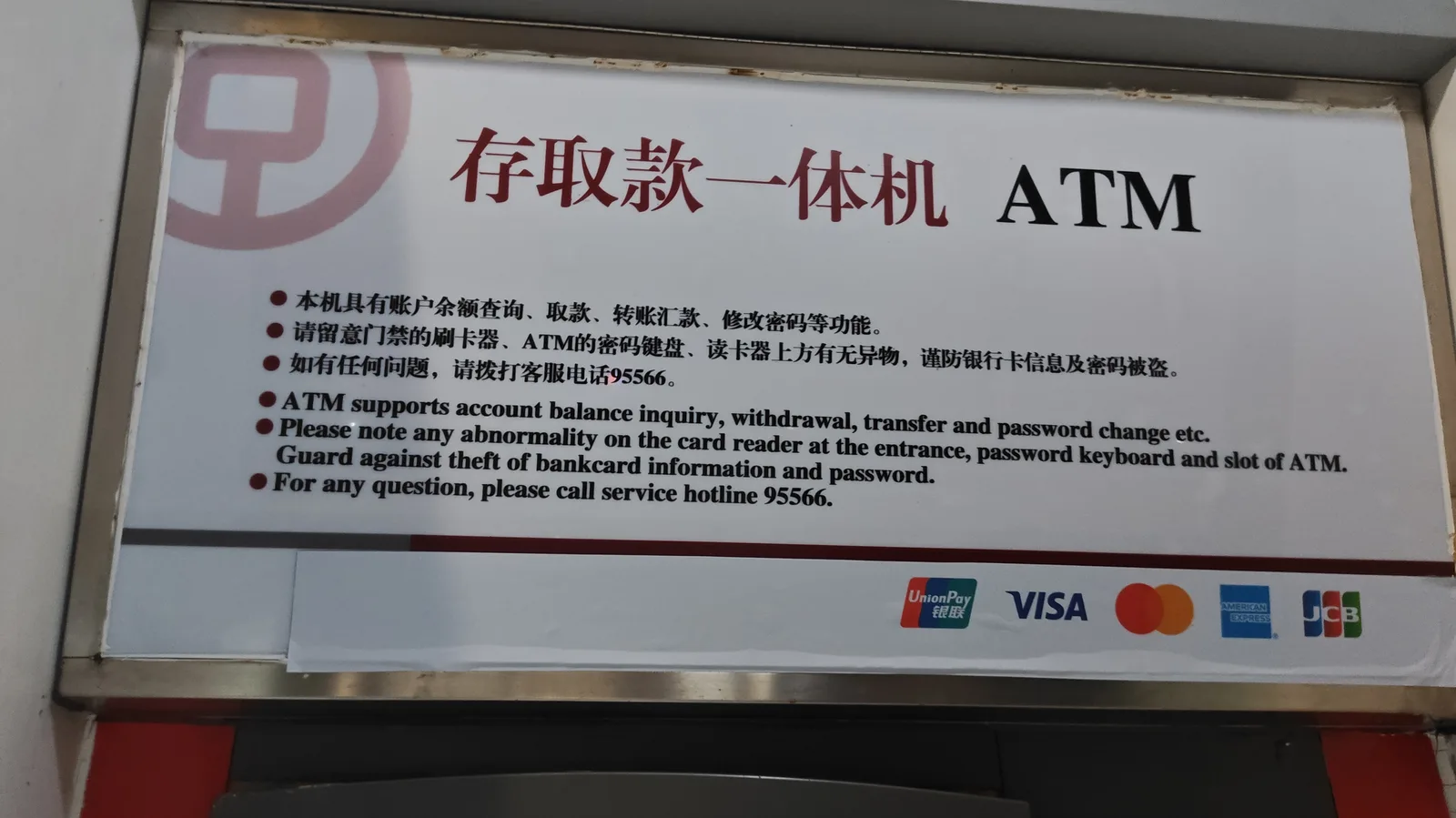
Which ATMs Accept Foreign Cards
- Bank of China — the most reliable for foreign Visa/Mastercard
- ICBC — usually works, and there's one everywhere
- HSBC (some branches in Shenzhen) — reliable but rare
Bank of China — Luohu Commercial City
深圳市罗湖区人民南路罗湖商业城1楼
1F, Luohu Commercial City, Renmin South Rd, Luohu District
💡 Withdraw ¥500–1,000 when you first arrive. Don't wait until you're stuck with a vendor who only takes QR codes.
What if my payment method stops working?
For anything deeper than the three cases below, the Alipay troubleshooting guide goes error by error.
"My Alipay card was declined"
- Check the transaction history first. If the payment is pending or its status is unclear, ask the merchant or Alipay support before you try again.
- If it was declined, check whether your home bank blocked it — call them or use their app.
- Try a different card, or ask your hotel to help you find an ATM. Don't rely on the front desk to pay for you.
"The vendor doesn't take Alipay, only WeChat Pay"
Rare, but it happens. Your options:
- Ask if they take cash (usually yes)
- Find another vendor
- Ask a local to pay with their WeChat Pay and hand them the cash
"There's no ATM nearby and I have no cash"
- Your hotel front desk is your best emergency option
- Bigger restaurants and malls usually have ATMs in or near them
Useful Phrases
| Situation | Chinese | Pronunciation |
|---|---|---|
| Do you accept cash? | 可以用现金吗? | Kěyǐ yòng xiànjīn ma? |
| Do you accept Alipay? | 可以用支付宝吗? | Kěyǐ yòng Zhīfùbǎo ma? |
| I'll pay by WeChat | 我用微信支付 | Wǒ yòng Wēixìn zhīfù |
| How much? | 多少钱? | Duōshǎo qián? |
Quick Checklist Before You Arrive
- Download Alipay (at home, before you land)
- Add your foreign card to Alipay
- Complete identity verification in Alipay
- Tell your bank you're travelling to China (stops the auto-block)
- Withdraw RMB at the airport or from an HK money changer
- Download WeChat if you don't have it (optional but useful)
Related guides
Once payment is sorted, the next blockers are usually connectivity and apps:
- Arrival checklist — if you haven't been to Shenzhen before, the checklist puts payment, apps, VPN and border prep in order so nothing gets missed
- Alipay scan fix checker — use this when scan-to-pay fails at the counter and you need the next move fast
- Best VPN for Shenzhen — install and test before you cross, because Google and WhatsApp stop working the moment you enter China
- Essential apps for Shenzhen — maps, rides, translation and the other apps you'll open on day one
Questions
How do you pay in China as a tourist?
Mostly with Alipay linked to your own Visa, Mastercard or Amex. Set it up before you fly, add WeChat Pay as a backup if you have time, and carry ¥300–500 in cash. Foreign cards mostly don't work at shop counters, so don't plan around them.
How do I set up Alipay as a foreigner?
Download Alipay from the App Store or Google Play before you fly. Sign up with your foreign phone number, add a Visa, Mastercard or Amex, then complete the passport identity check. The app says allow 72 hours, but it usually clears within an hour. Do it at home, not on airport WiFi after you land.
Which cards does Alipay accept?
Alipay's add-card screen takes Visa, Mastercard, Amex, JCB and Discover. Some home banks block China transactions, so tell your bank you're travelling before you link the card.
Can foreigners use WeChat Pay in China?
Yes, but it's fussier than Alipay. Foreign phone numbers sometimes fail the SMS check, card linking fails more often, and some merchant QR codes only work with WeChat Pay linked to a Chinese bank account. Set up Alipay first and treat WeChat Pay as the backup.
Can you pay cash in China?
Yes. Cash (RMB, also called yuan) is accepted by law, but many street food stalls and shared bikes are QR-only now, and plenty of vendors can't make change. Carry ¥300–500. Bank of China and ICBC ATMs are the most reliable for foreign cards.
Can you use Google Pay or Apple Pay in China?
Rarely. A few international hotels accept them. Don't rely on either.
Do shops in Shenzhen take foreign credit cards?
Mostly not. International hotels, high-end restaurants in Shekou and Nanshan, and some malls accept Visa and Mastercard. UnionPay cards are widely accepted. Everywhere else, you pay with Alipay, WeChat Pay or cash.
Is Alipay safe?
Yes. Alipay is owned by Ant Group, one of the world's largest fintech companies, and hundreds of millions of people use it every day. Use the same care you would with any payment app.
What if my foreign card doesn't work with Alipay?
Check whether the transaction is pending or complete before trying again. If it was declined, ask your bank whether it blocked the payment, then try another card. Your hotel can help you find an ATM, but do not rely on it to pay for you.
What is the Alipay Tour Card and do I need it?
Start with direct payment from your linked card. If a prepaid product appears in your app, read its current eligibility, fees and terms before using it; do not plan your trip around an older Tour Card description.
What if I don't want to set up any payment apps?
Carry ¥1,000–2,000 in cash. You can get by on cash alone, but some vendors will turn you away and you'll end up paying convenience-store prices for everything.
Change log and review scheduleExpand
Facts reviewed
Content updated
First published
Next review due
Jul 17, 2026
Image credits
- Photo at top: Harald Groven, Wikimedia Commons, CC BY-SA 2.0.
- Bank of China ATMs and cash deposit machines in a Shenzhen Metro station concourse: Garfermsiuku, Wikimedia Commons, CC BY-SA 4.0.
- Bank of China ATM sign in Dongguan with UnionPay, Visa, Mastercard, American Express and JCB stickers: メイド理世, Wikimedia Commons, CC BY-SA 4.0.


Did this actually work for you?