
Last verified Apr 10, 2026 · 16 min read
Direct answer
OCT-LOFT Shenzhen is not a themed mall — it's a working creative district in converted 1980s factories in Overseas Chinese Town (OCT). 300+ design studios, indie bookshops, craft beer spots, and B10 Live (South China's premier indie music venue). Free entry, open 24 hours.
- What it is: The OCT-LOFT Creative Culture Park (华侨城创意文化园), built inside converted 1980s industrial factories in Overseas Chinese Town. 300+ design studios, galleries, indie bookshops, craft beer spots, and B10 Live music venue.
- Getting there: Metro Line 1, Qiaocheng East Station (侨城东站), Exit A. 5-minute walk to the park entrance. Free entry, open 24 hours.
- Best time: Weekday afternoons for quiet gallery browsing. 1st and 3rd weekend each month for T-Street creative market. Friday/Saturday evenings for live music at B10 Live.
- The vibe: If Huaqiangbei is Shenzhen's left brain, OCT-LOFT is its right — design, art, music, and coffee instead of circuits and components.
Some links in this guide earn us a commission if you buy. See our affiliate policy.
If Huaqiangbei is Shenzhen's left brain, this is its right
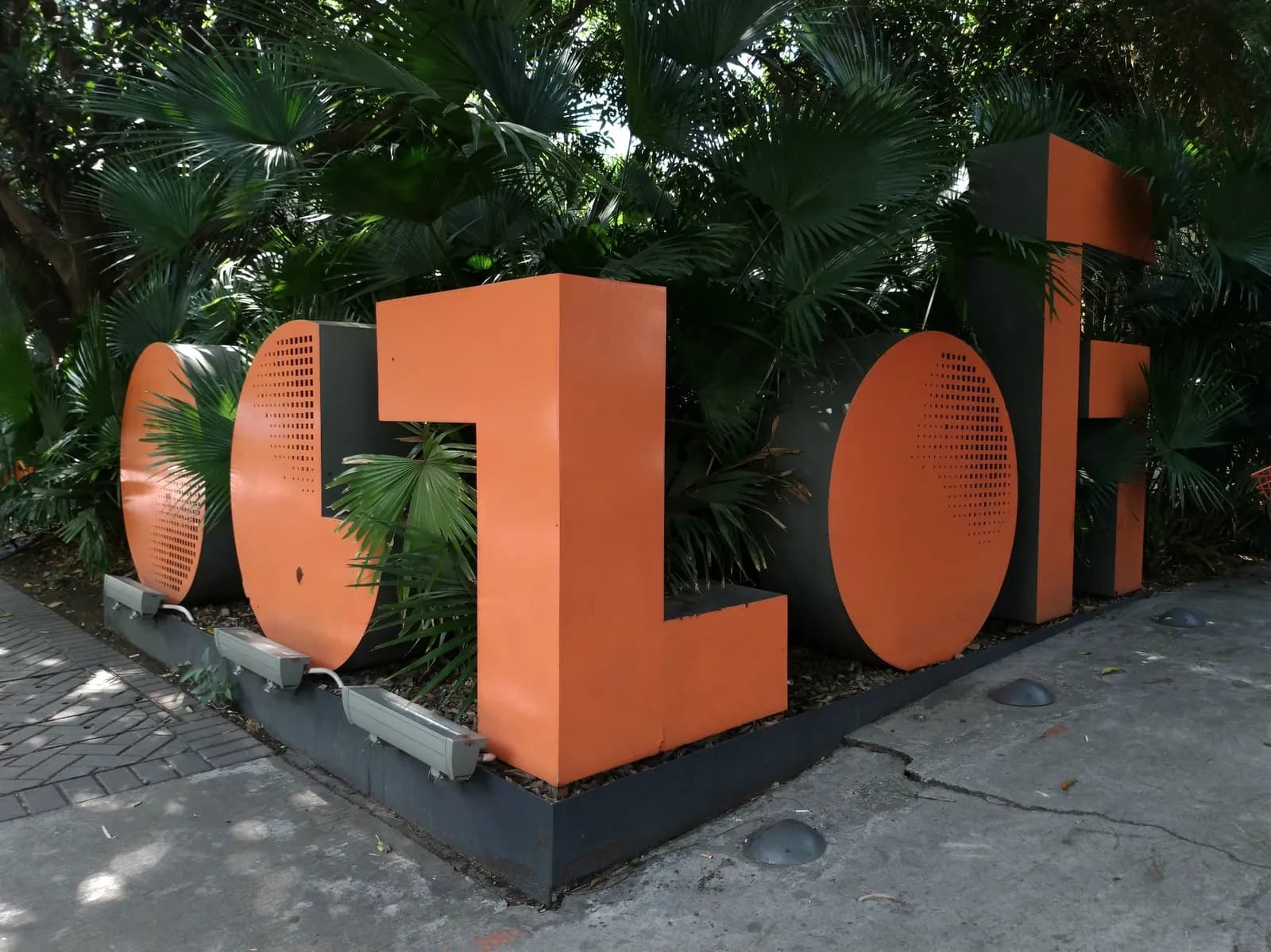
Every visitor hears the same pitch about Shenzhen: tech, hardware, factories, the future. Huaqiangbei, DJI, robot taxis. And that's real — the tech tour covers all of it. But spend more than 48 hours here and you start noticing a different city underneath the circuit boards. In Shenzhen, OCT-LOFT is where that city comes up for air.
The full name is the OCT-LOFT Creative Culture Park — Huaqiaocheng Chuangyi Wenhua Yuan (华侨城创意文化园), the name on the address. OCT stands for Overseas Chinese Town (华侨城), the Nanshan neighbourhood around Qiaocheng East metro. The LOFT part is a cluster of 1980s industrial buildings there, converted into what's now Shenzhen's creative district. Not a theme park, not a mall with "art" painted on the walls, not another 城中村 renovation designed for Instagram. This is a working creative district — 300+ design studios, architecture firms, galleries, and media companies — that happens to be open to the public.
The designers, architects, and musicians who work here are the same people drinking coffee at the cafes and browsing the bookshops. That's the difference between OCT-LOFT and a curated "creative zone" that some city planner dreamed up. The creative class didn't move here because the government invited them. They moved here because the rent was cheap and the ceilings were high. The government showed up later.
(It's still cheap by Shenzhen standards, which explains why it hasn't turned into a pure tourist zone yet. Give it five years and I might have to rewrite this section.)
The OCT-LOFT layout: North Zone vs South Zone
OCT-LOFT splits into two zones connected by alleys, walkways, and enough street art to keep your phone battery stressed. Understanding the split saves you from wandering in circles.
North Zone — the quiet half
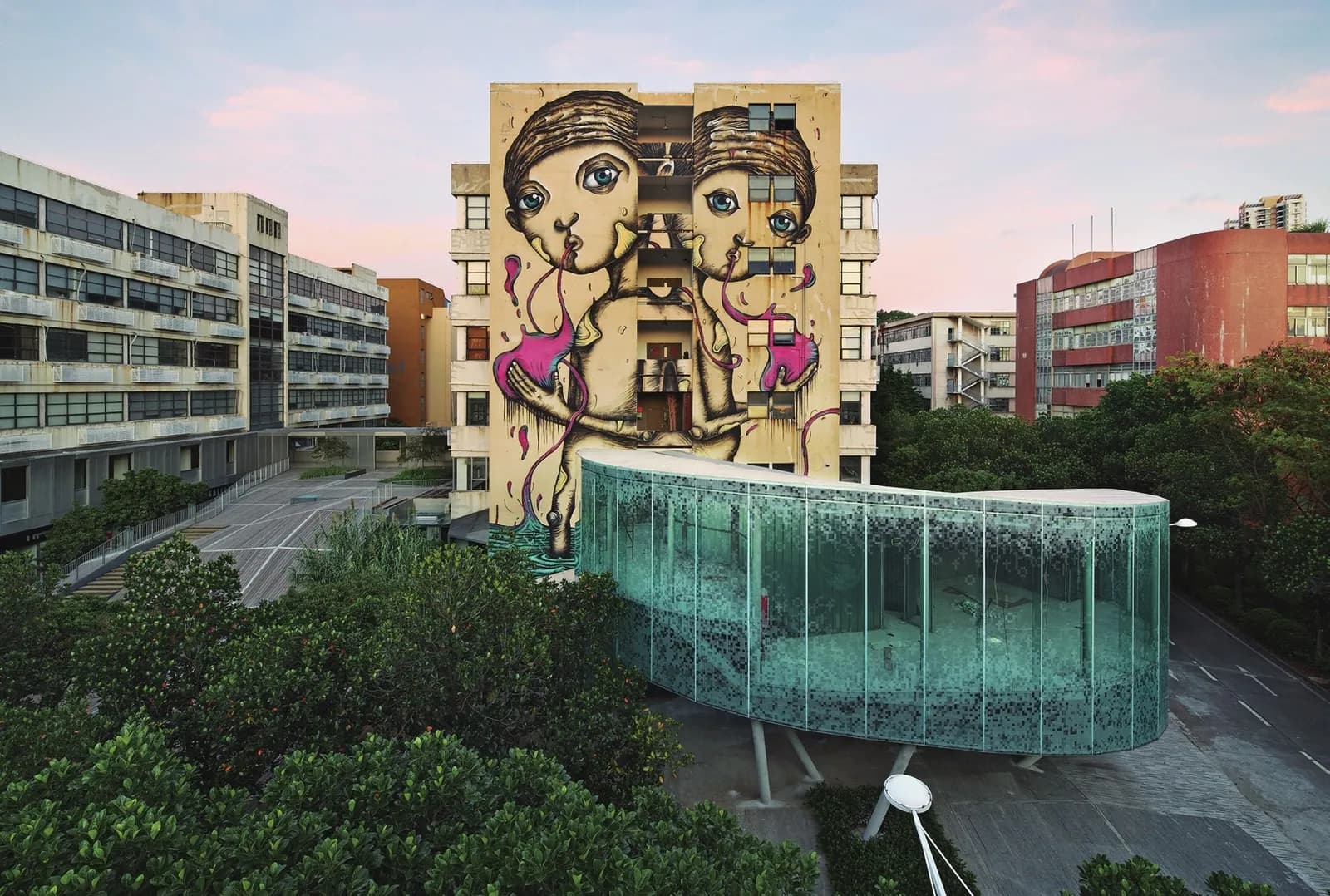
This is where the actual work happens. Architecture firms, graphic design studios, media production houses, photography workshops. The galleries up here tend to be more serious — less foot traffic, more focused exhibitions. If you like the idea of browsing art without elbowing through a crowd, come here on a weekday afternoon.
Notable spaces in the North:
- OCAT Shenzhen (华侨城当代艺术中心) — the main contemporary art museum, usually 2-3 exhibitions running at any time. Free for the permanent collection; special exhibitions 20-50 RMB. The building itself is worth seeing.
- Several independent galleries rotating shows in photography, installation, and mixed media. Most are free.
- Design studios that occasionally open their doors for public events — check the OCT-LOFT WeChat public account for schedules.
The North Zone is also where you'll find the alleys with the best street art. The murals rotate, and some of them are genuinely impressive. Nobody photographs the North Zone murals because nobody comes to the North Zone, which is exactly why you should.
South Zone — the social half
This is where the energy is. B10 Live (more on that below), the majority of the cafes, the craft beer spots, the restaurants. The South Zone wraps around a central plaza that hosts the T-Street market on weekends and turns into an outdoor lounge on warm evenings.
If you only have two hours, spend them in the South Zone. If you have four, start in the North and let the South be your reward.
The connecting alleys
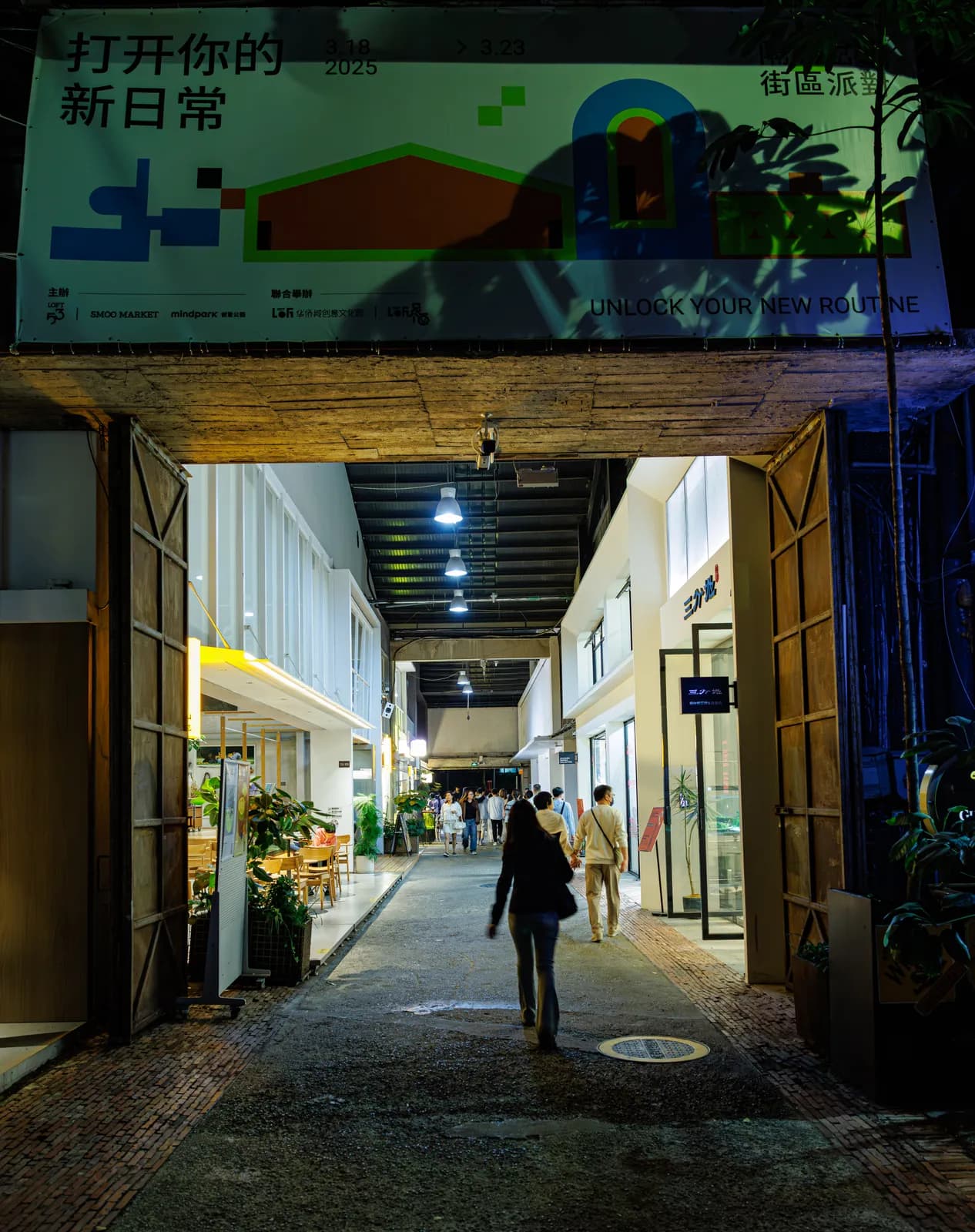
Between North and South is a web of narrow paths lined with studio doors, poster-covered walls, vintage signage, and the occasional cat who has clearly been in residence longer than any of the tenants. Some of these alleys are marked on maps. Most aren't. Wander.
T-Street Creative Market (T街创意市集)
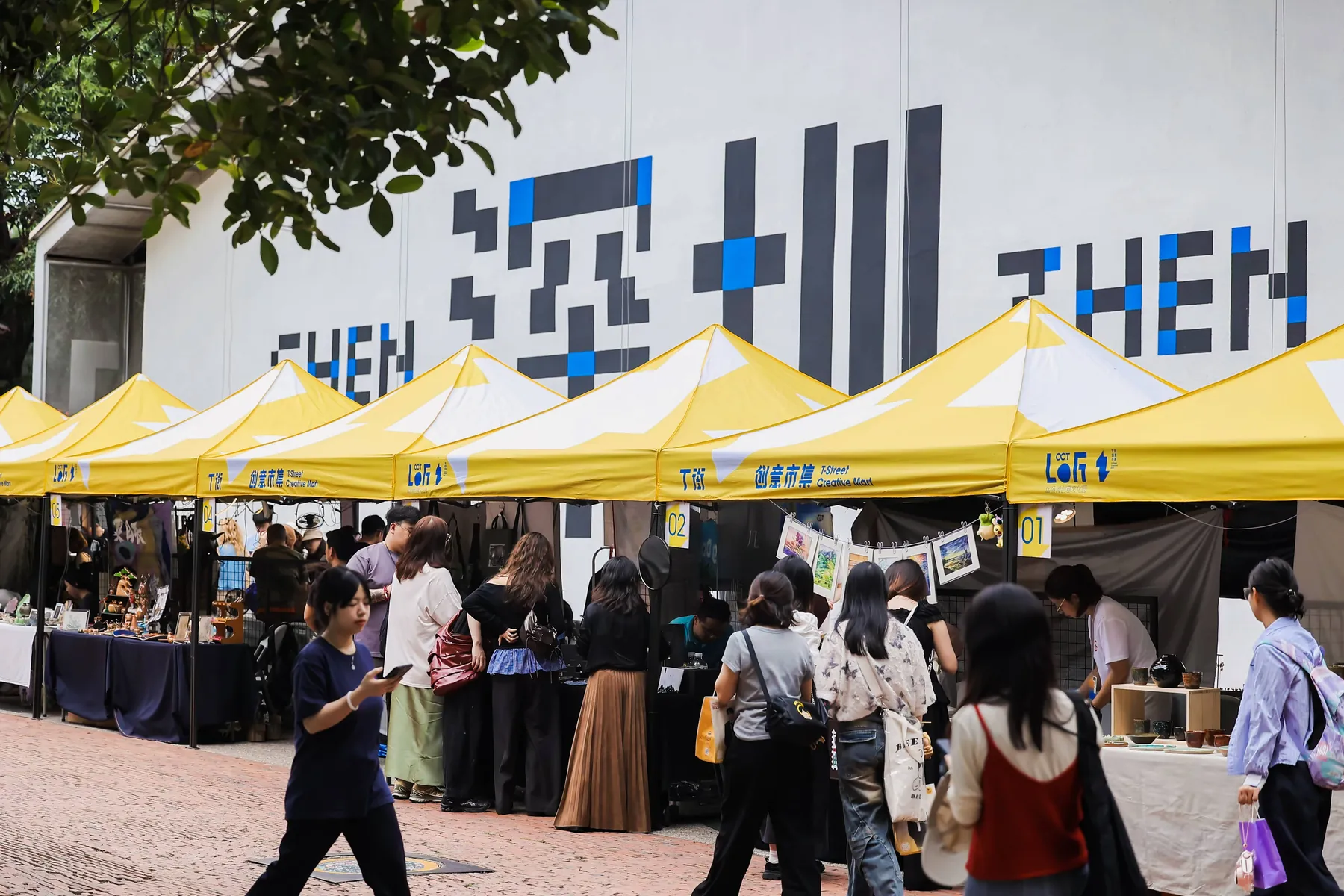
The 1st and 3rd weekend of each month, the South Zone plaza fills with one of the longest-running creative markets in China. T-Street has been going since 2008 — long before every city in the country decided it needed an "art market."
What you'll find
Original artwork (screen prints, illustration, ceramics), handmade jewelry, independent clothing labels, leather goods, custom phone cases, ceramics, plants, and the kind of small-batch goods that exist nowhere online. The vendors are the makers — you're buying from the person who made it, not a reseller.
The quality range is wide. Some stalls sell work that would hang in a gallery. Others sell things your friend made in a weekend ceramics class. Part of the fun is sorting the two.
How to do it right
- Arrive before noon. The best stalls sell out by 2pm. The serious collectors show up at 10am.
- Bring cash and WeChat/Alipay. Most vendors take QR codes, but a few of the older artists still prefer cash. Set up payments before you come.
- Walk the whole market once before buying. It wraps around the plaza and down one of the side alleys. A full circuit takes 20 minutes. You'll double back to the stalls that stuck.
- Talk to the vendors. Very few speak conversational English, but translation apps work well and most vendors will happily use them with you. These are artists and makers — they want to tell you about the work.
(The market has a different character in winter vs. summer. Winter markets are smaller, cozier, and the vendors bring hot drinks. Summer markets are chaotic, sweaty, and packed. Both are worth it.)
Free entry. No ticket needed.
B10 Live — South China's live music anchor
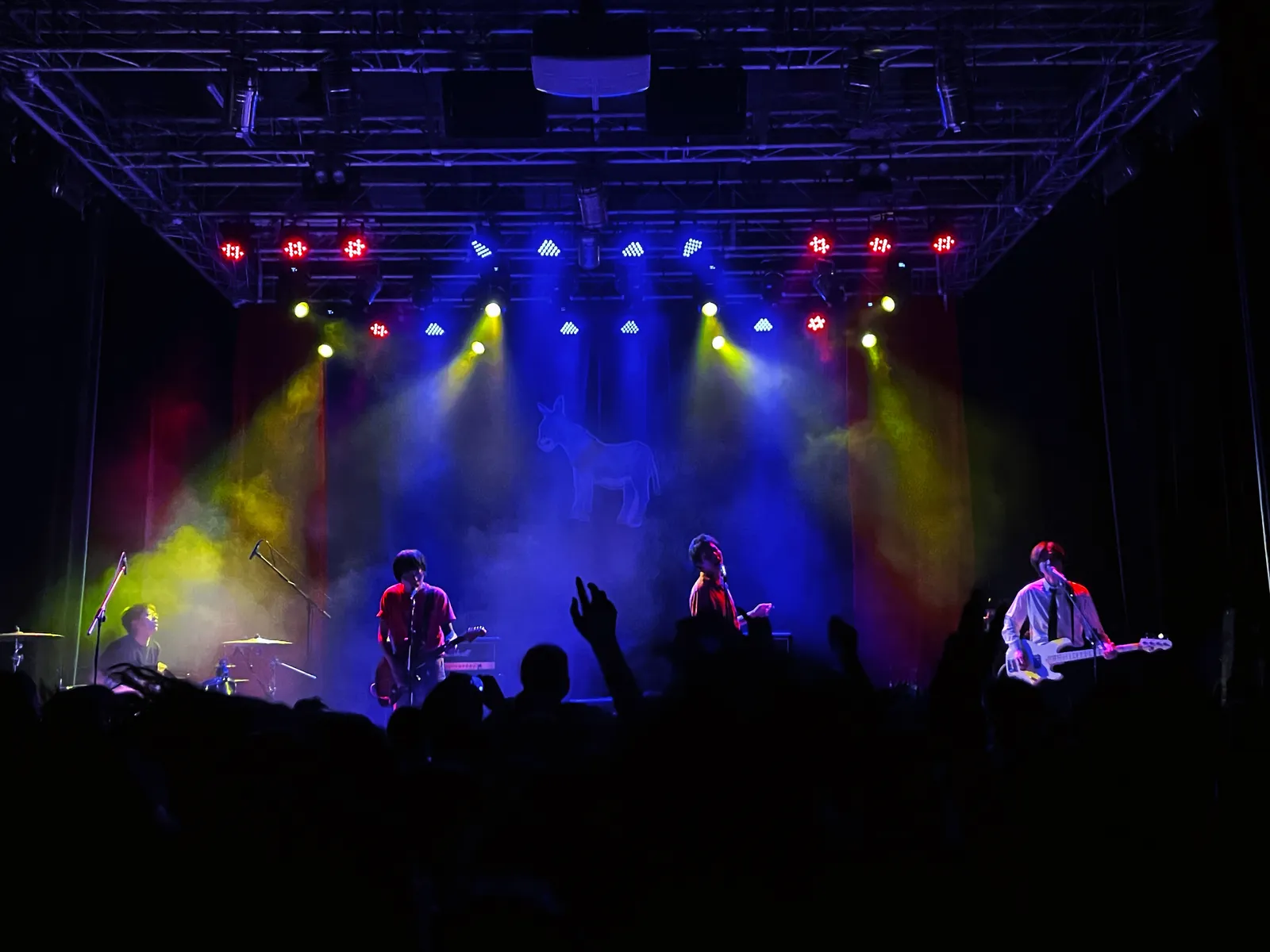
B10 Live is the reason international indie acts come to Shenzhen at all.
Before B10 opened, touring bands that played Beijing and Shanghai skipped South China entirely. There was nowhere to play. B10 changed that — a 500-capacity venue with proper sound, proper lighting, and a booking team that understands both the Chinese and international indie circuits.
What to expect
The space is a converted factory hall. Concrete floors, exposed beams, a stage that's close enough to feel the bass in your chest. The sound system is excellent — not a bar with a PA system, but a real venue built for live performance. The crowd is a mix of Shenzhen creatives, Hong Kong music heads who cross the border for shows, and the occasional confused tourist who wandered in from the cafe next door.
The lineup
B10 books everything from Japanese noise rock to British post-punk to Chinese indie folk. They're the South China stop for international tours — if a mid-level act is touring Asia, they're probably playing B10. Local acts fill the schedule between international tours, and some of Shenzhen's best bands cut their teeth here.
Tickets: 100-280 RMB depending on the act. Buy through their WeChat public account (search "B10现场") or on Xiudong (秀动), which is basically China's Bandsintown. Tickets sell out fast for international acts.
Schedule: Usually 2-3 shows per week. Doors at 8pm, music at 8:30pm. No reserved seating — it's standing room, general admission.
(If you only go to one venue in Shenzhen, make it B10 on a Friday night. Even if you've never heard of the band, the energy of 400 people in a concrete box watching live music is the most un-tech-city thing Shenzhen offers. For electronic music, Shenzhen's OIL Club is world-class but has changed locations several times — check their WeChat for the current address before going. It is not inside OCT-LOFT. Our Shenzhen nightlife guide has OIL's address and event-calendar link.)
OCAT and the galleries of Shenzhen's art district
OCAT Shenzhen (华侨城当代艺术中心)
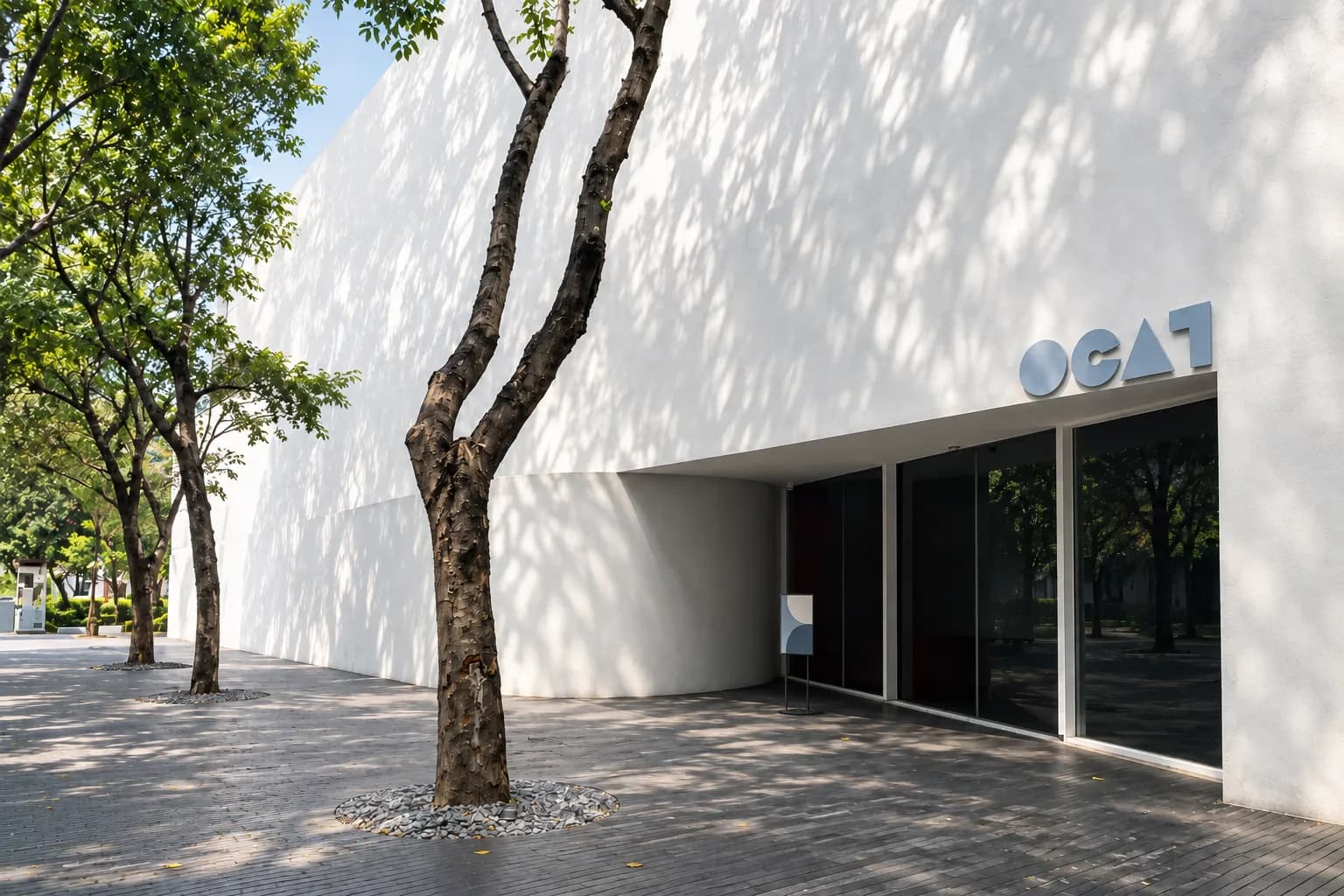
OCAT is the anchor gallery of Shenzhen's art district — a proper contemporary art museum inside the LOFT complex. The collection focuses on contemporary Chinese art, with rotating exhibitions that cover painting, sculpture, video, installation, and photography. The quality is consistently high. This isn't a vanity gallery or a developer's PR exercise; OCAT has a national reputation and attracts serious curators.
Practical details:
- Location: North Zone, OCT-LOFT (follow the signs — it's the largest building)
- Hours: Tue-Sun 10:00-17:30, closed Monday
- Cost: Free for permanent collection, 20-50 RMB for special exhibitions
- Time needed: 45 minutes to 2 hours depending on what's showing
Gallery hours posted online are occasionally wrong — OCAT's WeChat public account has more reliable scheduling than their website.
The smaller galleries
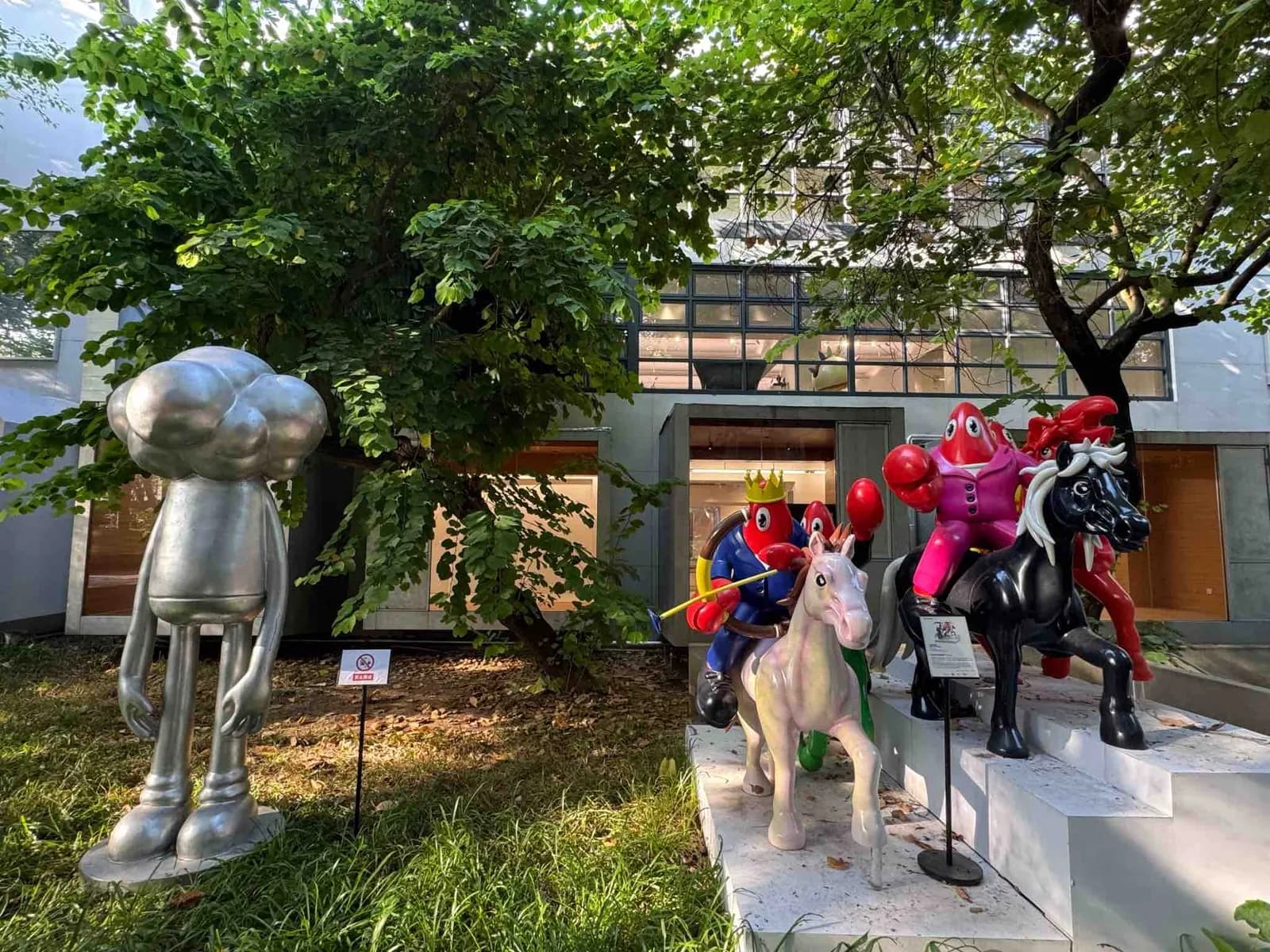
Scattered across both zones are 15-20 smaller galleries, most of which are free to enter. Some are attached to design studios. Some are standalone commercial galleries representing Shenzhen and Guangzhou artists. A few are experimental spaces that change shows every 2-3 weeks.
No single listing stays current — spaces open and close, galleries move, pop-ups appear. The best approach is to walk both zones and step into anything with an open door. The gallery names are usually on WeChat but almost never on Google Maps.
(OCAT runs a public education program with free artist talks and workshops. If your timing lines up, these are worth attending — even just for the crowd, which is a window into Shenzhen's art community that tourists almost never see.)
The coffee scene
I want to be careful here because "cafe culture" is one of those things every travel site overhypes. But OCT-LOFT's coffee scene is genuinely good — not good-for-Shenzhen good, but put-it-in-a-specialty-coffee-city-and-it-holds-up good.
The reason is the clientele. The people drinking coffee here aren't tourists — they're designers, architects, and photographers who work in the complex and need actual good coffee to function. That means the cafes compete on quality, not on aesthetics-for-Xiaohongshu.
Where to go
Artisan House — Tucked into the South Zone, consistently excellent single-origin pour-overs. The baristas know their beans and will happily talk you through the menu. This is where the architects sit all afternoon.
Ensō Handmade — Quieter, more Japanese-influenced. Good matcha, good filter coffee, beautiful ceramics. The kind of place where you sit for two hours and nobody bothers you.
Various rotating third-wave spots — The cafe scene shifts every 6-12 months as new places open and others close. Walk through both zones and look for the ones with people actually working on laptops (not posing with latte art for photos). Those are the survivors.
Coffee prices run 28-48 RMB for a specialty drink — about the same as any international third-wave shop. Cheaper than Hong Kong, more expensive than a Chinese chain like Luckin.
(If you're coming from Hong Kong for the day and want to combine the market with the best coffee in Shenzhen, OCT-LOFT is the move. The market and the cafes are in the same zone.)
Old Heaven Music Bookshop (旧天堂音乐书店)
This one deserves its own section because it's one of a kind.
Old Heaven (旧天堂) is an independent bookshop that has survived in OCT-LOFT since the complex opened. The focus is music — vinyl, CDs, music books, music magazines, concert photography collections — but the shop also stocks art books, design publications, and a curated selection of Chinese independent press.
The vinyl collection leans toward jazz, Chinese indie, and experimental. The prices are fair for China (not the inflated "vinyl is trendy" pricing that's taken over Beijing's shops). They also host small acoustic performances in the shop, which are some of the most intimate live music experiences in the city.
Other bookshops
There are 2-3 other small independent bookshops in the complex, specializing in art, design, and architecture books. None are large. All are worth browsing if you care about print. The contrast with the rest of Shenzhen — where bookshops barely exist outside chains — makes these feel like protected species.
(Old Heaven stays open late on weekends. If you're here for a B10 show, stop by beforehand. The two-hour window between "browsing vinyl at Old Heaven" and "standing in a concrete venue watching live music" is one of the best evenings Shenzhen offers.)
Eating in and around OCT-LOFT
The LOFT complex has its own restaurants — a mix of Western-style cafes, Japanese, Cantonese, and fusion spots. Prices are higher than street food but lower than comparable areas in Futian or Shekou. Expect 60-120 RMB per person for a sit-down meal.
Inside the complex
- Several pizza and pasta places that cater to the creative workers (decent, not revelatory)
- A handful of Cantonese spots — the congee and dim sum options are solid for a quick lunch
- Japanese izakaya-style places that come alive in the evening
- The craft beer bars in the South Zone serve food too — wings, sliders, bar snacks
Around the complex
Step outside the LOFT gates and you're in the broader OCT district (Overseas Chinese Town) — which has significantly more food options at lower prices. The streets running east toward Qiaocheng East metro have noodle shops, hot pot places, and the kind of small Cantonese restaurants that charge 30-50 RMB for a full meal. Check out the eating guide for how to navigate QR code ordering and find the good stuff.
(The craft beer scene at OCT-LOFT is worth a specific mention. Two or three bars stock rotating taps of Chinese craft beer — Shenzhen has a growing microbrewery scene, and this is one of the best places to sample it without committing to a full brewery tour.)
How to get to OCT-LOFT: metro, hours and cost
Getting there
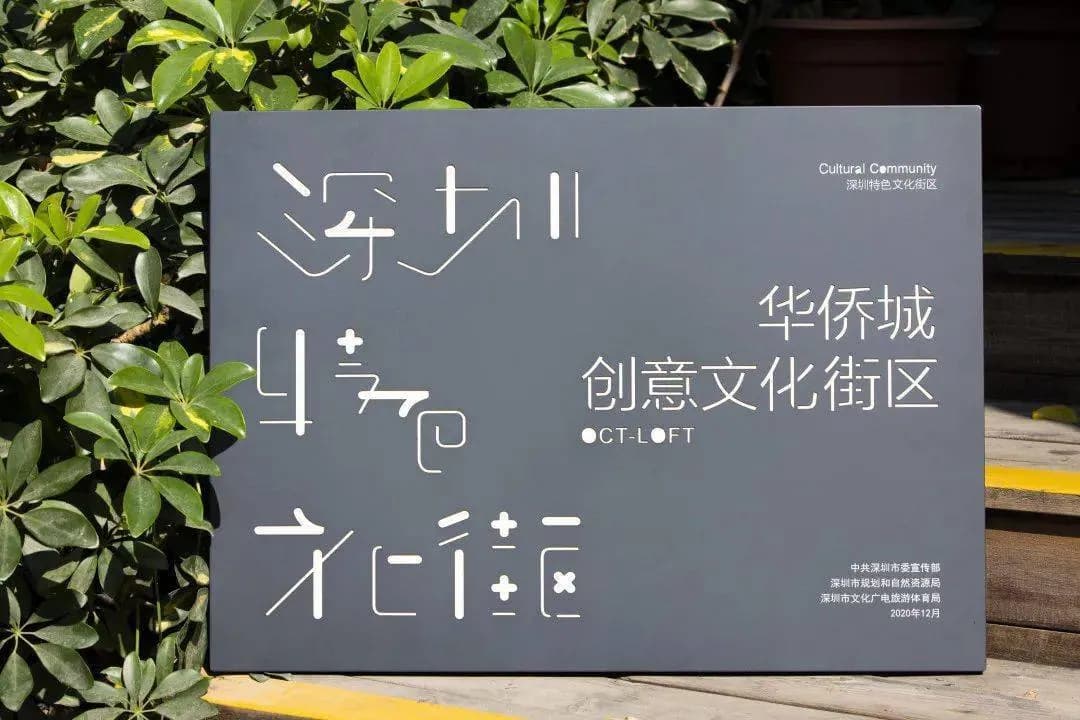
Metro: Line 1, Qiaocheng East Station (侨城东站), Exit A. Walk south for about 5 minutes — you'll see the red-brick factory buildings ahead.
By Didi: Tell your Didi driver '华侨城创意园南区' (South Zone) or '北区' (North Zone) — otherwise you may get dropped at the wrong gate. The complex has multiple entrances spread across several blocks.
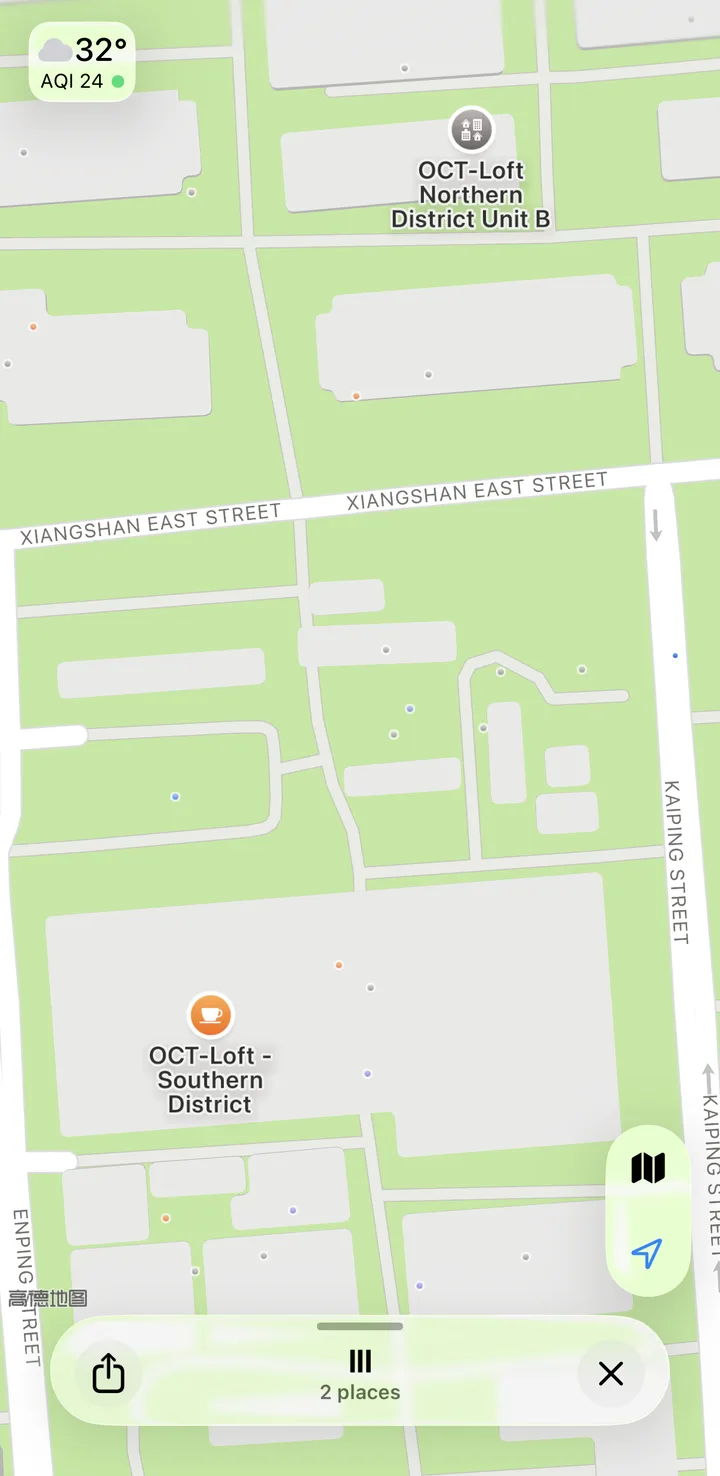
Address:
深圳市南山区锦绣北街2号 华侨城创意文化园
Hours
The park itself is open 24 hours — it's not gated. But venues, cafes, and galleries keep their own schedules:
- Galleries: Usually Tue-Sun, 10:00-17:30 (OCAT and most spaces closed Monday)
- Cafes: Most open 9:00-21:00
- B10 Live: Show nights only, doors 8pm
- Restaurants/bars: 11:00-22:00, later on weekends
- T-Street Market: 1st and 3rd weekend of each month, roughly 10:00-18:00
Cost
Free to enter. No ticket. Budget 0 RMB for wandering and gallery browsing, or 100-300 RMB if you add coffee, a market purchase, and a B10 ticket.
Best time to visit
- Weekday afternoon: Quiet galleries, easy cafe seating, the LOFT at its most "working district" authentic
- T-Street weekend (1st and 3rd): The creative market is the main draw. Arrive by 11am.
- Friday/Saturday evening: B10 shows, the bars open up, the South Zone plaza fills with people. This is when the district feels most alive.
What to pair it with
- Nantou Ancient City (南头古城): Plan your route to 南头古城 station on Line 12 in your map app. See the Nantou walking guide for the arrival plan. Shenzhen's other creative renovation — a 1,700-year-old walled city converted into shops, cafes, and galleries. Different vibe, same energy.
- Shenzhen Bay Park (深圳湾公园): 15 minutes by Didi. The waterfront park with the Hong Kong skyline views. Good for a sunset walk after an afternoon at LOFT.
- Window of the World: Literally next door (Metro Line 1, one stop). The theme park with miniature world landmarks. Completely different experience, but it's right there if you want the contrast.
For Window of the World, the existing Klook card below has packages for international visitors. The night ticket is not an all-day ticket: the listing checked October 24 says night admission moves to 17:00 from October 24 through November 22. Check the package’s date, admission time, passport eligibility, confirmation and cancellation terms before paying. OCT-LOFT itself still needs no ticket.
Klook
Window of the World tickets for international visitors
Check your date and package
Check availability on KlookFor rides on a separate day, compare Happy Valley’s land-park ticket on Klook. The overseas-visitor ticket is non-refundable and excludes Maya Beach Water Park; allow 6–10 hours.
Navigation
Use Amap (高德地图), not Google Maps. Google Maps in China is inaccurate for walking routes and doesn't show many of the internal paths. For getting around Shenzhen efficiently, check the getting around guide for metro tips and map app setup.
The bigger picture: why Shenzhen OCT-LOFT matters
OCT-LOFT matters because it pushes against the Shenzhen stereotype. Every article about this city leads with electronics, manufacturing, or "the Silicon Valley of hardware." And that's real — Shenzhen earned that reputation. But a city of 18 million people isn't one thing.
The designers at OCT-LOFT aren't separate from the tech scene. Many of them design for the 大厂 — DJI, Tencent, Huawei — during the day and do their own creative work on evenings and weekends. The musician playing B10 on Friday night might be writing firmware on Monday morning. Shenzhen's creative culture didn't grow in opposition to the tech culture. It grew alongside it, in the gaps, in the old buildings the tech companies didn't want.
That's what makes OCT-LOFT feel real instead of curated. The creative class is here because this is where they work, not because a tourism board told them to show up.
(If you came to Shenzhen for the tech, spend one evening at OCT-LOFT. You'll leave with a different picture of what this city actually is. If you came for the art, spend a full day. The tech tour will wait.)
Questions
What is OCT-LOFT in Shenzhen?
OCT-LOFT (the OCT-LOFT Creative Culture Park, 华侨城创意文化园) is a working creative district in Nanshan, built inside converted 1980s factories in Overseas Chinese Town (OCT). It houses 300+ design studios, galleries, indie bookshops, craft beer spots, and B10 Live, South China's premier indie music venue.
Is OCT-LOFT free to visit?
Yes. The park is free to enter and open 24 hours. Individual galleries may charge for special exhibitions (usually 20-50 RMB). The T-Street creative market on the 1st and 3rd weekends of each month is also free.
How do I get to OCT-LOFT?
Metro Line 1, Qiaocheng East Station (侨城东站), Exit A. The park entrance is a 5-minute walk south. By Didi, ask for 华侨城创意园南区 (South Zone) or 北区 (North Zone), or you may be dropped at the wrong gate.
What are OCT-LOFT's opening hours?
The park itself is open 24 hours and is not gated. Galleries, including OCAT, usually open Tuesday to Sunday 10:00-17:30 and close on Mondays. Most cafes open 9:00-21:00, restaurants and bars 11:00-22:00 (later on weekends), and B10 Live opens its doors at 8pm on show nights.
What is the best time to visit OCT-LOFT?
Weekday afternoons for quiet gallery browsing and coffee. The 1st and 3rd weekend of each month for the T-Street creative market. Friday or Saturday evening for live music at B10 Live and the bar scene.
Change log and review scheduleExpand
Facts reviewed
Apr 10, 2026
Content updated
Oct 25, 2026
First published
Apr 10, 2026
Next review due
Jul 9, 2026
Image credits
- Orange OCT LOFT letter sculpture among tropical plants: 去哪儿 (Qunar).
- Mural-covered former factory building and glass walkway in OCT-LOFT North Zone: www.dashangu.com.
- Covered passage under an OCT-LOFT market banner at night, with cafes and studios on both sides: Dinkun Chen, Wikimedia Commons, CC BY-SA 4.0.
- Band playing under coloured stage lights at B10 Live in OCT-LOFT, with the crowd in silhouette: Este Momento, Wikimedia Commons, CC BY-SA 4.0.
- Outdoor sculptures on the lawn outside a gallery in OCT-LOFT: 雪球 (Xueqiu).
- OCT-LOFT creative culture district sign among leaves: Stometa.
.jpg)

Did this actually work for you?