
Last verified Apr 10, 2026 · 16 min read
Direct answer
Shenzhen coffee in three picks: Jifu Coffee in Nantou for the best cup, Luckin's 9.9 RMB app coupon for the daily fix, and M Stand at Cloud Sea Park for the view.
- Cheapest good coffee: Luckin Coffee (瑞幸咖啡) — 9.9 RMB latte with new-user coupon. Locations everywhere, genuinely decent for the price.
- Best specialty coffee: Make a cafe stop part of a Nantou Ancient City walk. Check the shop's current listing and menu before travelling.
- Highest cafe: M Stand at Cloud Sea Park (云海公园) in Yantian — ~600m elevation, floor-to-ceiling glass overlooking the port and sea.
Shenzhen coffee comes in two speeds. For the daily cup, it's Luckin: download the app and the new-user coupon brings a latte down to 9.9 RMB. For the good stuff, it's a small cafe in Nantou's old lanes or a gaiwan latte in an urban village. This guide covers both, and it also works as a list of places to pause between electronics markets, metro rides and long neighbourhood walks.
One piece of advice before you start: pick the neighbourhood first, then a cafe nearby. Crossing the city for a single cup rarely pays off.
Shenzhen won't out-shrine Melbourne or Portland on pour-over. What it has is quieter: small specialty cafes tucked into old lanes, and quick takeaway counters beside every office tower. The coffee scene grew up alongside the tech scene. Young engineers needed fuel, and the city delivered.
Short answer: If you only have time for one coffee stop, make it Jifu Coffee in Nantou Ancient City. For the easy daily cup, use Luckin's 9.9 RMB app coupon. For the view, save M Stand at Cloud Sea Park for late afternoon. That's the best coffee in Shenzhen split three ways: best cup, easiest cup, best setting.
Luckin Coffee in Shenzhen: the 9.9 RMB app hack
Skip this section if you want atmosphere. Read it carefully if you want cheap, decent coffee at any point in your day.
瑞幸咖啡 (Luckin Coffee) is the daily driver. Not the headline, not the Instagram story. Just the thing that keeps you going while you work out the rest of Shenzhen.
Why it matters for visitors:
- There's one everywhere. You'll pass 3-4 Luckin stores walking down any major commercial street. They sit inside office buildings, next to metro exits and wedged into residential blocks. You can't avoid them.
- Download the Luckin app. The new-user coupon drops your first latte to 9.9 RMB (about US$1.35). That's not a typo. After that, app coupons keep most drinks between 9.9 and 15 RMB.
- Order in the app, collect at the counter. No ordering out loud, no Chinese needed. Pick the nearest store on the map, choose your drink, pay in the app and walk in when it's ready. Your name comes up on the screen.
- Check registration before you rely on the app. Try your own number if its country code is offered. If verification fails, ask the store about another way to order.
- The coffee is genuinely decent. Not life-changing, and not trying to be. The iced latte is reliable. The coconut latte (生椰拿铁) is the signature and it's actually good; the raw coconut flavour doesn't taste artificial.
The whole model is built for speed, not lingering. There are no comfortable chairs, and sometimes no chairs at all, just a pickup counter. But when you're lost in Futian at 2 PM and need caffeine before your next metro transfer, there's a Luckin right there.
(One warning: skip the flavoured options with odd seasonal tie-ins. Stick to the coconut latte, the plain latte or the americano. The "roasted chestnut mocha with osmanthus jelly" is a gamble you don't need to take.)
Luckin vs Starbucks. Starbucks is in Shenzhen too, charges 30-40 RMB a drink and mostly works as an air-conditioned meeting room for people who need Wi-Fi and a table. Luckin won the daily coffee war on price and speed, and locals under 35 overwhelmingly use it. Starbucks is for sitting; Luckin is for drinking.
Cotti Coffee (库迪咖啡) launched in 2022 on the same 9.9 RMB model and now sits on the same streets as Luckin. The drinks are comparable; think of it as Luckin's understudy. Use whichever is closer.
If you want to understand how payment works at places like Luckin, the payment guide covers Alipay setup end to end.
Best coffee in Shenzhen: specialty cafes worth crossing town for
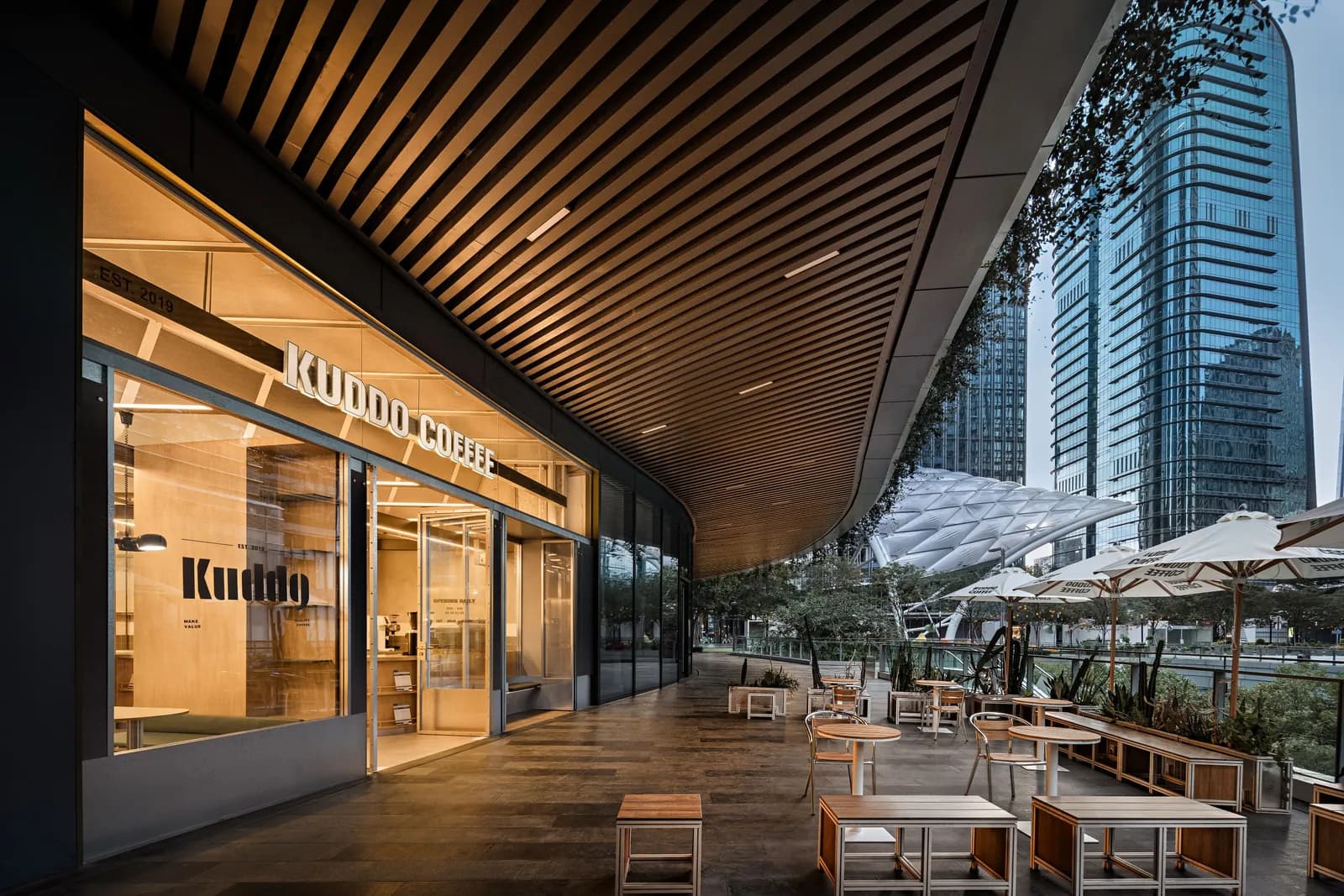
This is where Shenzhen gets interesting. The city's specialty coffee scene would hold its own in any coffee city, and most of it grew up in the last five years. Every cafe below has a reason to visit beyond good coffee: the space, the concept and the neighbourhood are half the point.
Nantou Ancient City (南头古城) — Jifu Coffee (集福咖啡)
This is the headline.
Make it a coffee stop on a walk around Nantou Ancient City. Check the shop's current listing and menu before making a special trip; the neighbourhood is the reason to leave time for wandering.
What to order: The signature dirty coffee, espresso poured over cold milk. The contrast between the bitter top layer and the sweet cold milk underneath is the whole point. Also try whichever single-origin pour-over is on the board that day, and ask which beans they have and where they were grown.
The space: Small. Maybe eight seats inside and a few more on the narrow lane outside. The cafe is tucked into one of Nantou's renovated alleys, surrounded by design studios, galleries and other small shops. The ancient city walls are literally across the lane.
Getting there: Metro Line 1 to Taoyuan station, then a 10-minute walk south into Nantou Ancient City. Follow the main pedestrian lane; Jifu is on one of the side alleys. The whole of Nantou is worth a morning. The cafe is the anchor, not the only reason to go.
Expect to pay: 35-55 RMB, depending on what you order.
(If you're already planning a Nantou visit, the eating guide covers food in the same neighbourhood.)
Dongmen / Luohu (东门/罗湖) — Old Wu Coffee (老吴咖啡)
A retro, Japanese kissaten-style cafe that has no business being this good in a chaotic pedestrian shopping district.
The concept: By day, a hand-drip coffee shop: self-roasted beans and flannel drip, the cloth filter you see in old-school Japanese kissaten, served along a long wooden bar. By night the same space becomes a whisky bar. Same owner, same mood, different drinks.
What to order: Whatever single-origin they're pouring through the flannel that day. It's slow, 4-5 minutes a cup, and the result is noticeably different from paper-filtered pour-over: smoother, rounder, with more body. If you've never had flannel drip, this is a good place to start.
The space: Long and narrow, built around the bar. It feels like stepping into Shimokitazawa in the middle of Luohu: old film posters, warm lighting, the sound of water heating. A deliberate contrast to the noise outside.
Getting there: Metro Line 1 or 3 to Laojie station. Walk into the Dongmen pedestrian area and look along the side streets; Old Wu is a few minutes off the main drag.
Expect to pay: 30-45 RMB for coffee. Worth it for the method.
Shuiwei Village (水围村) — Fukang Lou (福康楼)
This is where Shenzhen's coffee culture gets properly weird, in the best way.
The concept: A Cantonese teahouse that serves coffee in 盖碗 (gaiwan), the lidded bowls dim sum restaurants use for tea. The fusion isn't forced. It feels like a natural collision between Guangdong tea culture and specialty coffee, and the result looks and feels like nowhere else.
What to order: The osmanthus wine latte (桂花酒酿拿铁). Osmanthus syrup, fermented rice wine, espresso and milk sounds like it shouldn't work, but the floral sweetness and slight boozy tang cut right through the bitterness. The other signature is the sesame latte (芝麻拿铁), black sesame paste swirled into the milk before the espresso goes in. Both come in a gaiwan.
The space: Shuiwei Village is a 城中村 (urban village), one of the dense old neighbourhoods the city swallowed as it grew. The cafe is on an upper floor of a renovated building, done up with film posters, old furniture and the kind of deliberate clutter that tells you someone cares a lot about atmosphere. From the outside, the building still looks like a village apartment block.
Getting there: Search 水围村 plus the cafe's current Chinese listing in your map app, then route to that address. The village is small and walkable; ask anyone for Fukang Lou.
Expect to pay: 28-42 RMB. The gaiwan makes everything feel pricier than it is.
The gaiwan coffee trend is spreading across China, and Xiaohongshu (小红书) is full of "Chinese tea meets coffee" posts, but Fukang Lou was doing it before it was a trend.
Houhai / Nanshan (后海/南山) — The Raven (乌鸦咖啡馆)
A literary cafe built around Edgar Allan Poe's raven: dark wood, upstairs bookshelves and a signature drink borrowed from Cantonese dessert.
What to order: The double-skin milk latte (双皮奶拿铁). Double-skin milk (双皮奶) is a traditional Shunde dessert, a silky custard made by heating and cooling buffalo milk until a skin forms on top. The Raven folds the custard base into steamed milk before pulling the espresso shot. It's richer and creamier than a standard latte, and the slight caramel sweetness of the custard means you won't need sugar.
The space: Two floors. The bar and counter are downstairs; upstairs is a small library of Poe-related books with dark leather seating. The decor commits to the literary concept without tipping into fancy dress. Dim, warm, good for an hour with a book.
Getting there: Metro Line 2 or 11 to Houhai station. The cafe is in the commercial area between Houhai and Shenzhen Bay. They've moved once, so check their Dianping listing for the current address.
Expect to pay: 35-50 RMB. The double-skin milk latte sits at the top of that range, and it's worth it.
Yantian (盐田) — M Stand at Cloud Sea Park (云海公园)
The destination cafe. You come for the view, and the coffee is good enough to justify the trip.
The headline: One of Shenzhen's highest cafes. The Cloud Sea Park summit sits at around 600m. Wutong Mountain has seasonal cafes higher up, but this one is the easiest to reach and the panorama is better. Floor-to-ceiling glass walls look out over Yantian Port, the container ships and the South China Sea while you drink your flat white.
What to expect: M Stand is a chain, and a good one: industrial-minimalist look, and an oat milk latte that's solid at every branch. The Cloud Sea Park branch is special because of where it sits. The park is a trail system Shenzhen built into the hills above Yantian, and the cafe is at the summit viewpoint. On clear days you can see Hong Kong in the distance. At sunset, the container port below lights up.
Getting there: Metro Line 2 to Haishan station, then the Cloud Sea shuttle bus (云海公园接驳车), which runs regularly and drops you at the park entrance. The cafe is a 15-20 minute walk uphill from there, or take the park's internal shuttle. Plan for half a day.
When to go: Late afternoon. Arrive around 3-4 PM, hike or shuttle to the top, get your coffee and settle in for sunset. Golden-hour light through the glass walls is the real draw. Weekends are packed; weekday afternoons are better.
Expect to pay: 38-48 RMB a drink. Standard M Stand prices, but you're paying for the altitude.
OCT-LOFT Creative Park (华侨城创意园)
OCT-LOFT doesn't have one standout cafe. It has a scene. The whole complex is a converted industrial park full of design studios, architecture firms, galleries and the kind of people who care about latte art. Think Bushwick in Brooklyn or Shoreditch in London, only smaller and with better weather.
What to expect: Every block inside OCT-LOFT has 3-4 independent cafes competing for designers on laptops. Quality is consistently above average because the regulars demand it. You won't find Luckin prices here (most drinks are 30-45 RMB), but you won't find a bad cup either.
Worth seeking out: GAGA (嘎嘎) started here and now has branches across the city; its brunch menu and Australian-style flat whites are solid. All Day Roasting Company does single-origin roasts in a clean, minimal space. Honestly, though, half the fun is wandering and picking the cafe that suits your afternoon.
Getting there: Metro Line 1 to Qiaocheng East station, Exit A, and you're in the complex. Allow 2-3 hours if you want to browse galleries between coffees.
Longhua (龙华) — Longhua Coffee Street
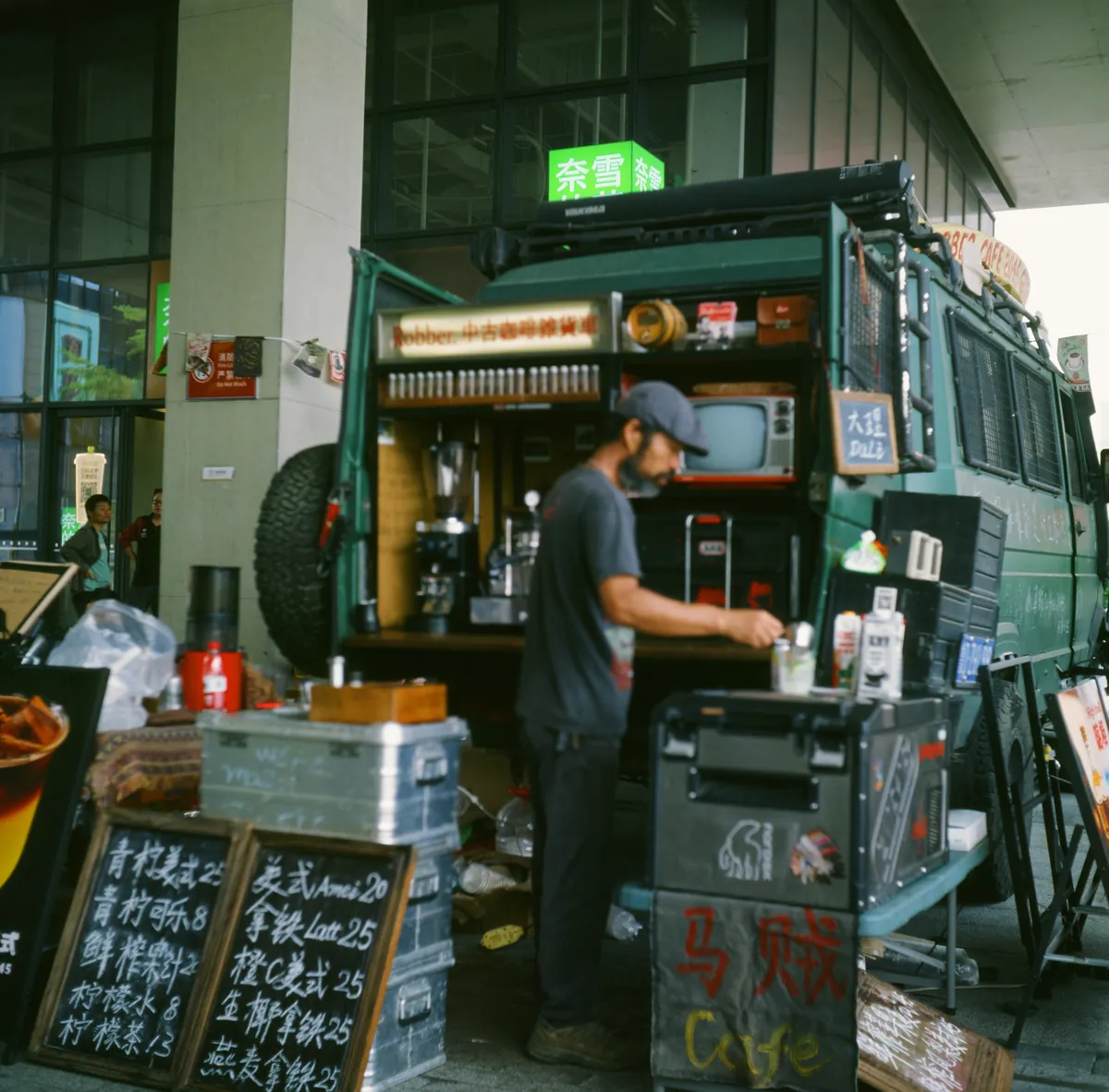
This one is for completionists. Longhua district isn't on most visitors' radar; it's residential and suburban next to Nanshan or Futian. But a stretch of road near Hongshan Metro station has turned into an informal "coffee street", with 8-10 independent specialty shops within a few blocks.
Why go: You've already done Nantou and OCT-LOFT and want to see Shenzhen's coffee scene away from the tourist and creative-class areas. These cafes serve local residents, not visitors. Prices are lower (20-35 RMB), it's quieter, and you'll probably be the only foreigner.
Getting there: Metro Line 4 to Hongshan station, then walk east for about 10 minutes. The coffee street isn't signposted; it's just a stretch where enough cafes clustered that locals started calling it that.
Why Shenzhen's coffee culture looks like this
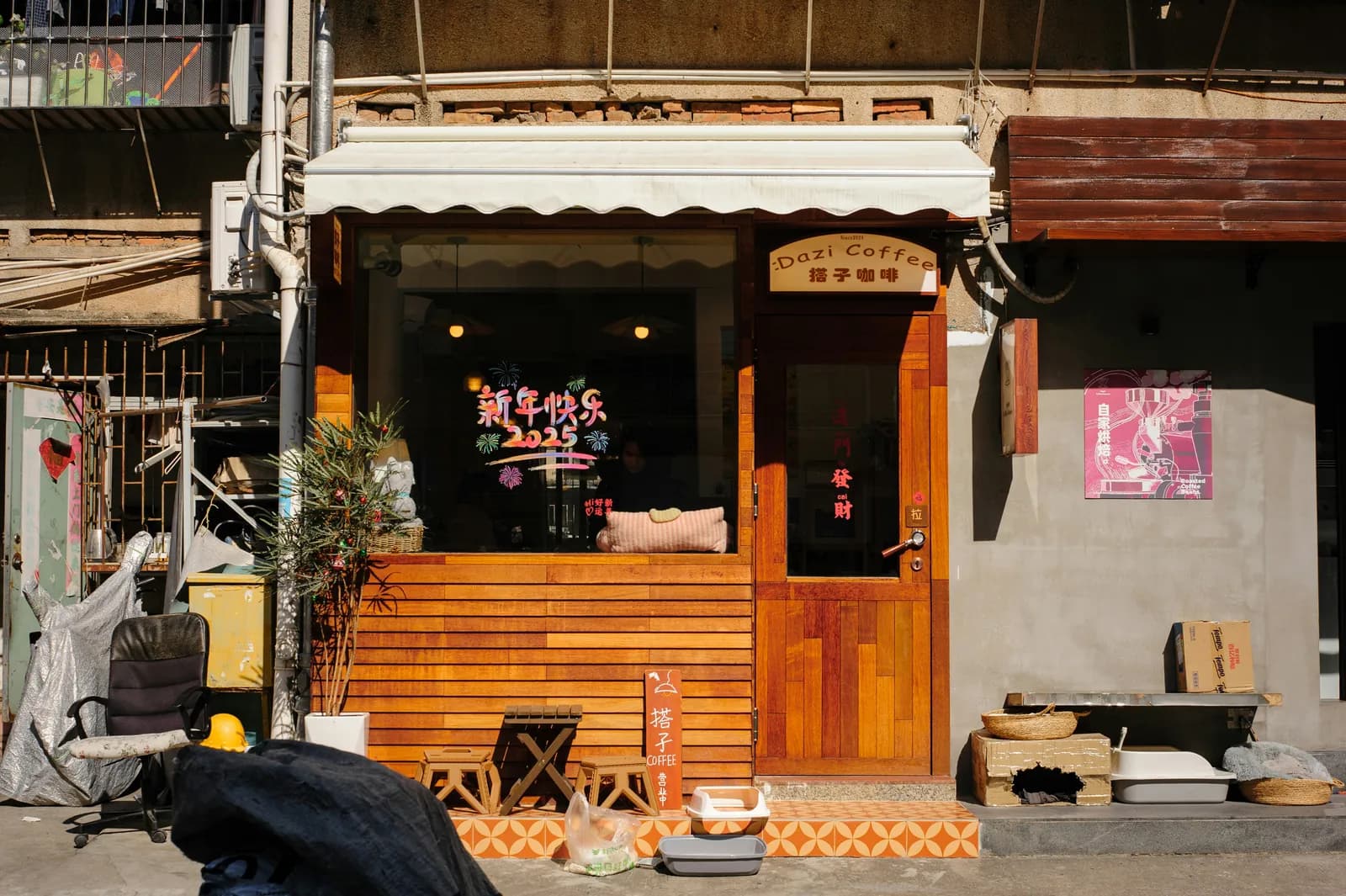
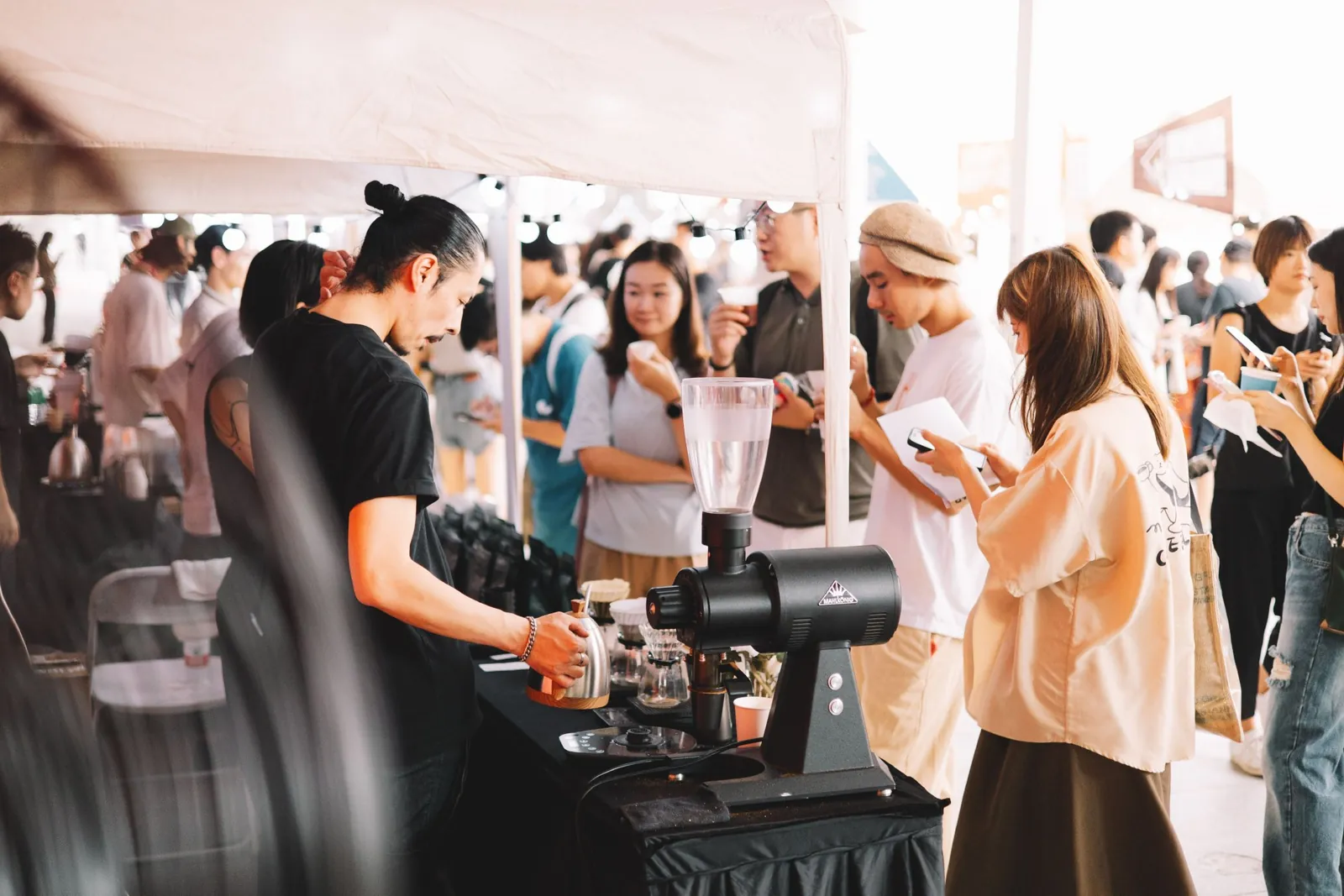
You don't need this section to find good coffee. But if you want to know why a 40-year-old city has a better specialty coffee scene than cities ten times its age, here's the background.
The demographics. Shenzhen's average age is around 33, the youngest of China's major cities by a wide margin. Most people are transplants who moved here from other provinces for jobs in tech, finance or manufacturing. So there's no deep-rooted tea culture like Chaoshan's or Fujian's, and when a city full of young engineers needs a caffeine delivery system, coffee fills the gap faster than tea.
The Luckin effect. Luckin launched in 2018 and its aggressive 9.9 RMB pricing turned coffee from a luxury import into a daily commodity almost overnight. Before Luckin, a latte in China cost 30-40 RMB (Starbucks prices). After Luckin, it cost less than a subway ride. That price collapse grew the number of coffee drinkers, and some of those new drinkers graduated to specialty shops.
The 盖碗 fusion trend. This one is genuinely interesting. Chinese tea culture and specialty coffee have started to merge, not as a gimmick but as a real third category: espresso served in a gaiwan, lattes infused with osmanthus or chrysanthemum, Yunnan beans instead of imported ones. Shenzhen is the testing ground because its people are young enough not to feel protective of tea traditions, but old enough to have grown up with them.
Coffee walks (咖啡漫步). This Xiaohongshu trend is changing how people find cafes. Instead of sitting in one cafe for two hours, groups of friends map out 3-4 specialty cafes in a walkable neighbourhood and hit all of them in an afternoon, one drink at each. Nantou and OCT-LOFT are the two most popular routes. If you see a group of young people carrying differently branded cups down the same lane, that's what they're doing.
For your own coffee walk, pick one neighbourhood and two nearby stops. Leave time to sit down; crossing the city for every cup turns an easy afternoon into a transport plan.
Shenzhen cafe tips: payment, prices and language
Payment. Luckin's app handles its own payment, and you can link an international card. Most specialty cafes take Alipay and WeChat Pay. A few also accept international credit cards directly, but don't count on it. Sort out your payment setup before you start cafe-hopping.
Prices to expect:
- Luckin and other chains: 9.9-20 RMB (US$1.35-2.75)
- Specialty cafes: 30-50 RMB (US$4.10-6.85)
- Destination cafes (M Stand Cloud Sea and the like): 38-48 RMB (US$5.20-6.60)
If you're coming from Hong Kong, Sydney or any European city, these prices will feel absurdly cheap. A specialty pour-over that costs US$7-8 in Brooklyn costs US$4-5 here.
The best half-day cafe route. If you only have one afternoon and want the greatest hits: start at Jifu Coffee in Nantou Ancient City in the morning or early afternoon, and walk the Nantou lanes for an hour. Then take a taxi or the metro to OCT-LOFT (15 minutes) and stop at one of the cafes there. Finish by walking south to Shenzhen Bay Park for sunset with a takeaway cup. All three stops are in Nanshan, and the whole route takes 4-5 hours including transport and wandering.
Language. You won't need Chinese at Luckin, because you order in the app. At specialty cafes the baristas are usually young and often speak basic English, enough to talk through the menu. Many specialty shops have English menus, or at least English drink names on the board. If not, point your phone camera at it with one of the translation apps.
Seating. Working on a laptop in a cafe is completely normal in Shenzhen. Nobody will glare at you for sitting two hours over one drink, and many specialty cafes are designed as co-working spaces. Power outlets are usually available.
Finding new cafes. Use Xiaohongshu (小红书), not Instagram. Search 深圳咖啡 to see what's new. It's basically China's coffee discovery engine, and the recommendations are surprisingly reliable because its users care about quality.
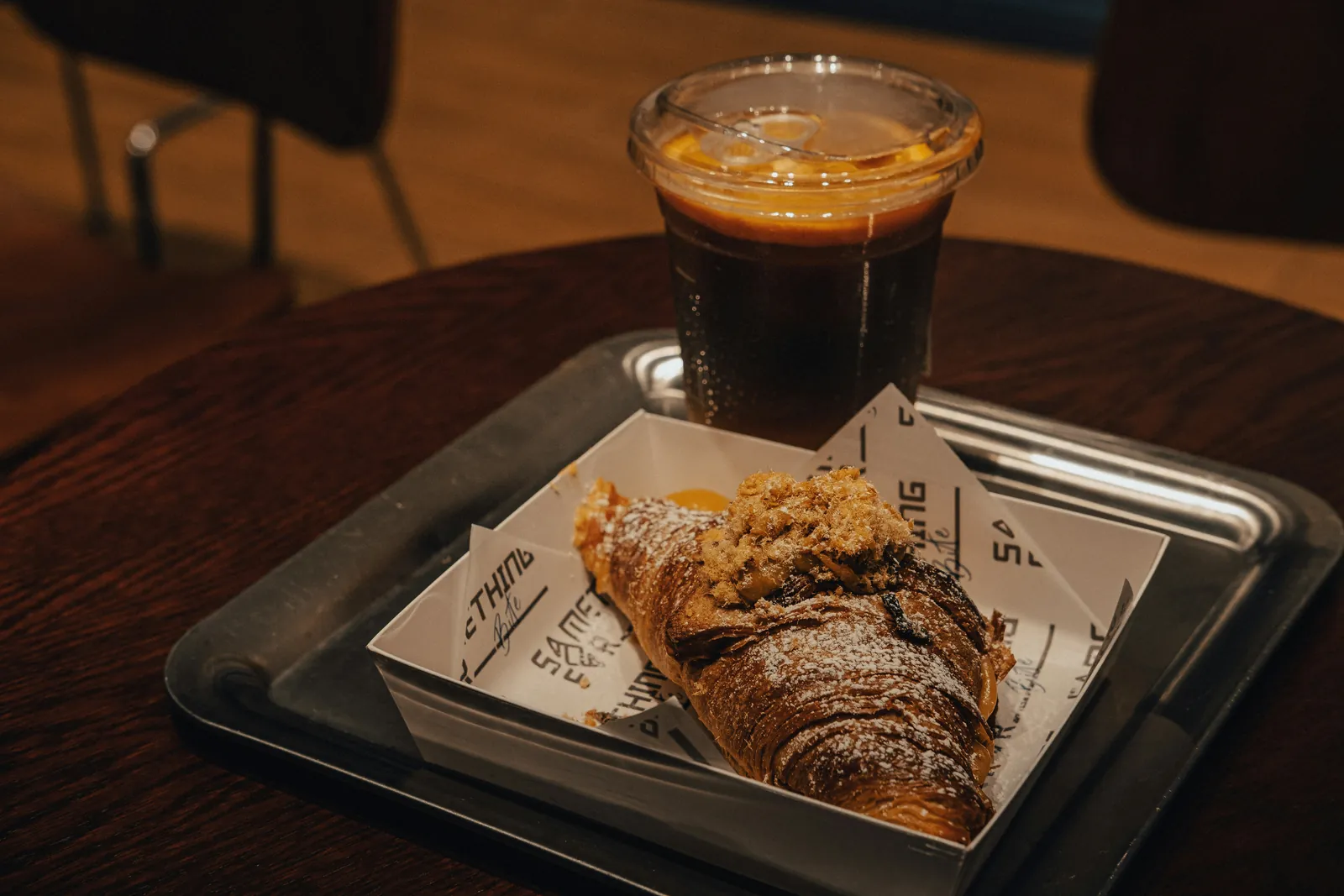
Food. Most specialty cafes serve pastries or light bites. Luckin is coffee only, no food. If you want coffee with a proper meal, the eating guide covers the full picture, but a croissant and a latte at an OCT-LOFT cafe is a perfectly good breakfast plan.
Getting between cafes is easy once you have the metro and ride-hailing set up; the getting around guide covers both.
Questions
Is Shenzhen good for coffee?
Surprisingly, yes. Shenzhen's coffee scene has exploded since 2020, with specialty cafes in every district. The highlight is Jifu Coffee in Nantou Ancient City, run by the 2019 China Barista Championship winner. For everyday coffee, Luckin is on every corner at 9.9 RMB a latte.
What is the cheapest good coffee in Shenzhen?
Luckin Coffee (瑞幸咖啡). Download the app, use the new-user coupon and your latte costs 9.9 RMB. You'll pass 3-4 stores walking down any major street, and the coffee is genuinely decent for the price.
Where is the highest coffee shop in Shenzhen?
M Stand at Cloud Sea Park (云海公园) in Yantian, at around 600 metres one of Shenzhen's highest cafes. Floor-to-ceiling glass looks over Yantian Port and the sea. Take Metro Line 2 to Haishan station, then the Cloud Sea shuttle bus.
What is special about Jifu Coffee in Nantou?
The owner, Du Jianing, won the 2019 China Barista Championship and placed at the World Barista Championship. He buys Yunnan beans directly from farmers, and the signature dirty coffee uses his own roast. The cafe sits inside Nantou Ancient City's 1,700-year-old walls.
Change log and review scheduleExpand
Facts reviewed
Apr 10, 2026
Content updated
Oct 16, 2026
First published
Apr 10, 2026
Next review due
Jul 9, 2026
Did this actually work for you?